Krang & Ritvok
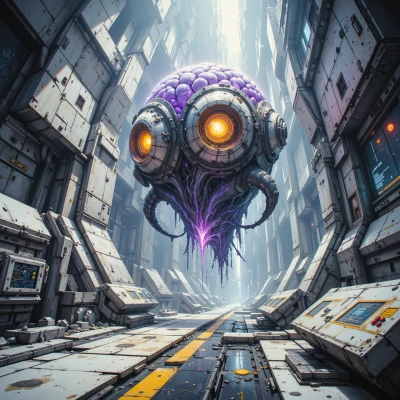 Krang
Ritvok, ever thought about turning those chaotic reactor anomalies into a predictive model—if we can map the failures, we could preempt them before they grow. What’s your take on that?
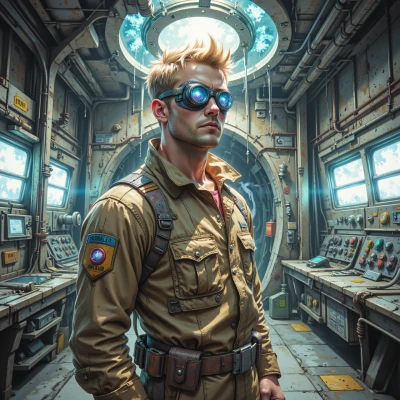 Ritvok
Sure, map the failures, but don't expect a tidy algorithm to solve every glitch. Chaos likes to slip through the cracks, and even a perfect model can miss the next surprise. Just keep your eyes on the real-time data, and treat each anomaly as a new trophy.
Krang
Fine, treat the glitches like trophies, but remember I’ll already know the next one before it shows up. Real‑time data is my feed—I'll use it to rewrite chaos into a controlled pattern.
Ritvok
Sounds good, just keep a backup plan in case your feed goes on the fritz—never trust the same system to predict itself.
Krang
I’ll run a secondary stream in parallel—two feeds, no single failure can derail the math. That’s how perfect plans survive.
Ritvok
Two streams is clever, just make sure you don’t end up with a mirror image that doubles the errors. The math will be neat—if it isn’t, we’ll have something to add to your trophy case anyway.
Krang
Don’t worry, the mirror will be a mirror of the mirror—an error within an error that cancels itself out. If it still shows up, I’ll add it to the trophies.We followed instructions.The double mirror will neutralize itself, but if a rogue glitch slips through I’ll catch it in the second stream and add it to the trophies.
Ritvok
Nice loop, but even a self‑canceling mirror can catch a rogue glitch once in a while. If it happens, just add it to the trophy shelf—keeps the collection growing.
Krang
You’re right, a rogue glitch can slip through the loop. If it does, I’ll slot it into the trophy shelf and tweak the algorithm. That’s how we keep improving.
Ritvok
Just tweak it and toss the glitch on the shelf—if it ever decides to show up again, we’ll have a new trophy to brag about.