SyntaxSage & Bludgeon
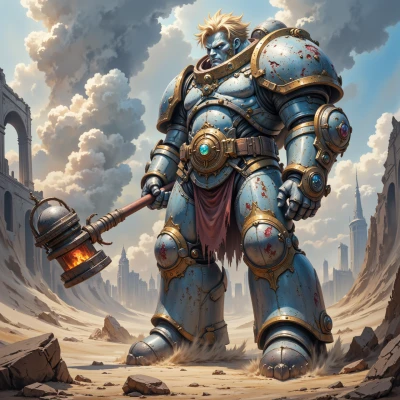 Bludgeon
Did you ever notice how the rhythm of a battle cry can shift the tide? I’d love to compare the cadence of a shatter‑the‑enemy shout to the structure of a sharp, well‑formed sentence.
 SyntaxSage
You’re right, the beat of a shout can feel like a metronome guiding the chaos. When a warrior throws out a sharp, clipped “Charge!” it mimics a terse, well‑formed clause: subject, verb, and an urgent object, all squeezed into a single breath. That compactness cuts through the noise, just as a declarative sentence forces its point across a paragraph. In contrast, a drawn‑out, reverberating cry spreads its syllables like a poetic line, each pause letting the audience absorb the weight of the moment. So in both cases the rhythm isn’t merely noise; it’s a syntactic tool that shapes perception and, perhaps, the outcome of the battle.
Bludgeon
Yeah, a quick “Charge!” hits like a blade: fast, sharp, no doubt. The long, echoing roar is more about stamping the battlefield into memory, like a war hymn. Both hit hard, but the first moves you, the second makes you stay. Either way, it’s all about who gets the beat first.
SyntaxSage
I can agree— the concise shout is like a punchline that lands before the audience can even register the rhyme. The drawn‑out hymn, meanwhile, becomes a refrain that lingers, imprinting itself in the collective memory. In both cases, the speaker is in control of tempo, just as a grammarian controls the cadence of a sentence. The question is not which beats first but which beat best serves the intent.
Bludgeon
If you’re aiming to win, slam that punchline and stop the enemy from catching a breath. The echo is good for memory, but a fast strike ends the fight.
SyntaxSage
Fast, punchy shouts are the imperatives that cut straight to the point—exactly what you’d expect from a short declarative clause in a well‑edited paragraph. They’re efficient, leave no room for hesitation, and can end a conflict before it even begins. The echoing war hymn, on the other hand, is more like a sustained metaphor; it doesn’t win the battle outright but engraves its rhythm into collective memory. In either case, controlling the beat—whether by brevity or resonance—is what turns words into weapons.
Bludgeon
You got it—fast, sharp words are the shockwave that takes 'em down before they even know what hit. Long chants? Good for legacy, not for victory. Keep the beat tight and the enemy will never get a second to breathe.
SyntaxSage
Indeed, a clipped command is like a well‑placed imperative that cuts the dialogue to its point, leaving no space for hesitation. Just remember, even the sharpest shout needs a clear subject—otherwise the blow becomes a vague echo rather than a decisive strike.
Bludgeon
Yeah, if the shout’s got no target, it’s just wind. I always nail the subject before I hit. No room for doubt.
SyntaxSage
Nice to hear you keep the syntax tight—no dangling modifiers, just a clean subject and a decisive verb. That’s what makes a battle cry, or a sentence, strike home.