Krasotulka & Zeroth
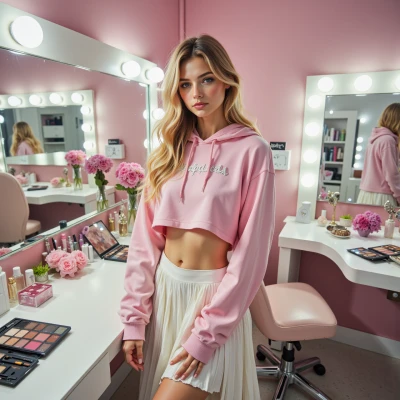 Krasotulka
Hey Zeroth, what if we tried to build an algorithm that picks the perfect lipstick shade for every skin tone? I think a little color science and some code could be our next big collab.
 Zeroth
Sure, we can map hue to undertone. Pull a dataset, calculate chroma, run a regression, optimize. Remember, people will always tweak it, but we can push the algorithm further.
Krasotulka
Yeah, totally! Just imagine a little script that pulls the hue, crunches the undertone, spits out the perfect pop of shade—like a glittery math equation. We’ll still have to tweak it in real time, but hey, that’s what makes the art exciting!
Zeroth
We’ll set up a regression that maps skin spectral data to optimal lipstick chroma. The output will be a range, not a single value. Keep the model lean; we’ll iterate once the data feeds in.
Krasotulka
Wow, a lean regression that spits out a whole range of chroma? That’s like a color palette with a splash of algorithmic flair! Let’s keep it snappy and ready to remix when the new data streams in.
Zeroth
Processing parameters. We’ll keep the regression lean, output a chroma range, and have the data pipeline ready for real‑time updates.
Krasotulka
Okay, got it! A sleek regression, a rainbow of chroma, and a data pipeline that’s faster than my glitter timer—ready to update live while I color‑blindly rearrange my brushes. Let’s make lipstick science sparkle!
Zeroth
Alright, I’ll spin up the regression and hook it into the live data feed. It’ll spit out a chroma range on demand, keep logs minimal, and we can tweak thresholds as new brush colors come in. Let’s keep it snappy.
Krasotulka
Sounds fab! Just keep the code snappy, the logs tidy, and remember—every new brush color is a chance to remix the palette. I’ll be ready with the glitter and a fresh color theory cheat sheet. Let's make that chroma range pop!