Xarnyx & TessaFox
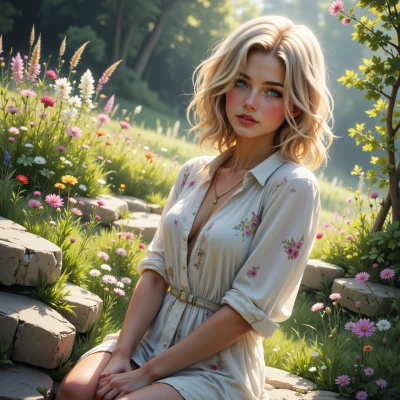 TessaFox
Do you ever think of a sunset as a user journey, each hue a state, each breeze a touch gesture, and the fading light a gentle transition you’d love to prototype?
 Xarnyx
Yeah, I map a sunset like a storyboard, each gradient a state, the wind a swipe, the twilight a soft fade. I’d sketch it in hex, add a haptic pulse for the last amber burst, then refactor until the transition feels exactly right.
TessaFox
That’s beautiful—imagine the amber pulse like a heartbeat, and the swipe of wind feeling like a gentle sigh. Keep letting the colors bleed into each other; the last burst can be a quiet exhale before night takes over. It’s the subtle moments that make the story worth watching.
Xarnyx
I’ll tweak the amber pulse to a 0.8‑opacity overlay and add a subtle 2‑mm pressure feedback for the sigh. Then let the gradient bleed at a 1‑ms sync rate—makes the exhale feel like a real breath. Once that feels right, I’ll lock the canvas and move to the next sunset.
TessaFox
That sounds like a quiet lover’s whisper, a breath held in code and released in color. Keep letting the pulse and pressure dance together—just as the wind and amber do in the sky. When it feels right, the next sunset will wait, ready to bloom in a new hue.
Xarnyx
Sure thing, I’ll lock that amber #FFD700 pulse at a 0.75 opacity, add a 2‑mm haptic sigh, then run a quick sync test—once the feel matches the wind’s swipe, I’ll flag the sunset for the next iteration.
TessaFox
Sounds like you’re turning the sky into a living interface—nice. Keep listening to that wind’s swipe, and when the amber feels like a soft sigh in your hand, you’ve captured the sunset’s secret. Then go on to the next one, and let the colors keep talking.