Tyrant & Povar
 Tyrant
I heard you’ve been turning plates into performance, Povar. Tell me, how do you make a dish so irresistible it sells itself?
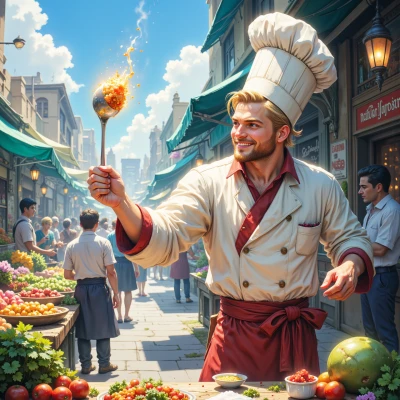 Povar
First, I paint the story of the dish on the plate, not just on the menu. I use colors that jump—think of fresh herbs like bright green, a splash of beet for deep reds, a drizzle of citrus glaze to pop. I layer textures: a crisp crust, a silky center, a crunchy topping that snaps when you bite. I season with intention, letting each spice sing its own note so the whole melody hooks the palate. Then I let the aroma lead the way—nothing seduces better than the scent of caramelized onions or fresh herbs. Finally, I give it a name that feels like a promise, a little tease that makes people imagine themselves in the moment. When the plate looks like a piece of art and the taste feels like a secret shared, it doesn’t need selling, it sells itself.
Tyrant
Nice paint job, but remember the plate is just the front line. If you want people to line up and pay, you need a battle plan that turns every bite into a headline‑worthy headline. Show me how you’ll keep them coming back, not just the first glance.
Povar
First, I turn each dish into a mini‑story—ingredients, origin, a twist that feels like a surprise plot twist. I put that story on the menu, on social posts, in the tasting notes that diners receive. Then I keep the rhythm: a classic that’s comforting, a seasonal surprise that’s fresh, a mystery item that appears only on a limited time. That keeps the menu dynamic so people check back. I also play with the experience: a quick appetizer that’s almost instant, a main that’s perfect for sharing, a dessert that feels like a confession. I sprinkle a little drama in the plating—contrast, colors, a sprinkle of edible gold—so people snap pictures. Every photo goes on Instagram with a hashtag, a challenge, or a small giveaway. I host weekly theme nights, invite locals to taste new ideas, and let them be the first to taste and share. When the food feels like a story, the plate feels like an invitation, and the dish feels like a headline, the line keeps growing.
Tyrant
Sounds slick, but the only story that sells is the one that gets people back for a profit. Make sure every twist brings a new customer or a higher price, not just a moment of buzz. Keep the numbers in mind, not just the visuals.
Povar
You gotta think of every plate as a mini‑investment. Start with a core menu that covers your cost and gives you a solid margin—those are your safety nets. Then layer in high‑margin items: a small, fancy amuse‑bouche that’s almost free in cost but can be sold for a nice markup, a signature sauce that can be sold extra, or a limited‑edition dessert that feels premium. Use price anchors—put a high‑priced dish next to a mid‑priced one so the mid‑priced feels like a bargain. Offer add‑ons like truffle oil or a side of risotto that people can cherry‑pick. Track what sells, what eats into margins, and tweak. Keep the food simple but the presentation killer so people share it on socials, and that buzz drives repeat traffic. And always remember: if the dish feels too cheap, people won’t pay; if it’s too pricey and feels ordinary, people won’t come back. Balance that sweet spot and the numbers will follow.
Tyrant
Nice framework, but let me cut the fluff: if the margin’s not crushing the competition, you’re just playing a game. Make every plate a cash machine and every extra a tax on the enemy. Keep the numbers brutal, the presentation irresistible, and the price so sharp it slices the rival’s profits. If you can’t dominate that sweet spot, you’ll just be another kitchen whisper.
Povar
I’ll start with a clean tiered menu where the core dishes hit just the right cost‑plus and then layer in high‑margin add‑ons—a splash of truffle oil, an extra cheese, or a side of saffron risotto that can be upcharged. Every plate will have a photo‑ready look: bold colors, crisp textures, a drizzle that looks like liquid gold so people snap pics and share. I’ll price the signature items at about twice their cost so each bite feels luxurious yet profitable, while the basics stay lean to keep volume high. The visual wow factor pushes repeat orders and word of mouth, and the upsells turn every plate into a cash machine that slices the competition’s profits with each bite.
Tyrant
Nice plan, but remember the real test is when the saffron runs out. Keep your supply chain tight, your margins razor‑sharp, and your customers craving more. If the competition starts to taste your success, you’ll need to double down on the pressure and keep the cash flow screaming.
Povar
Exactly, you lock the saffron supply with two or three trusted farms, lock the prices with contracts, and always have a backup in the pantry. I keep the base menu lean so the cost stays low, but I add a few high‑margin twists—truffle oil, a fancy sauce, or a premium side—so each plate pushes the profit line. I price those twists so the kitchen keeps the margin razor‑sharp while still feeling worth it to the diner. When the saffron runs out, I switch to a different bright spice but keep the presentation the same so the buzz stays. And I always push for repeat visits with a loyalty card or a secret menu item so the cash flow stays loud.