Pehota & TitanLens
 TitanLens
I was just watching a hawk take to an old battlefield and it hit me—nature and war have always been two sides of the same coin. Ever think about how the terrain, the wild, has steered strategy? I reckon there's a lot of untold stories there. What’s your take on that?
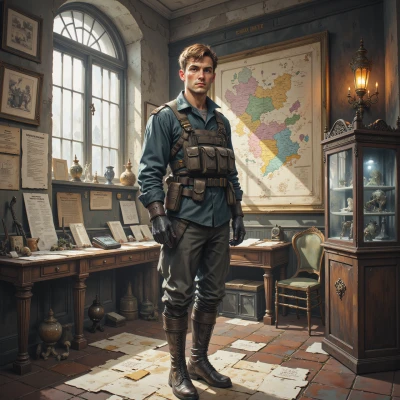 Pehota
Yes, I’ve seen it myself—when a wind rises over a ridge, it can decide a flank’s fate. Old maps are fine, but the earth keeps the true record, and most commanders ignore that. The untold stories are the ones we never write down, just buried in the soil.
TitanLens
I’ve walked those ridges long enough that I can read the wind’s rhythm, and the soil beneath it feels like a ledger of every step taken. Maybe that’s why I keep a notebook—just a few lines of how the earth whispered before a storm or a march. Do you ever pause and listen to the ground before you plan?
Pehota
I keep my plans on paper, not in the wind. A notebook is fine if it holds numbers, not whispers. But if the ground can give you an edge, note it, just don’t let it replace a good map.
TitanLens
Maps keep me from getting lost in the wild, but the ground? That’s where the real story lives. I jot a line about a gust that broke a fence and a bird that rode it—just a reminder that the earth’s still talking. It’s not a replacement, just an extra layer. How do you keep the two in balance?
Pehota
I keep the map on the table, the notebook in a pocket, and the ground only when it tells a story that the numbers miss. I test a line with a quick scan, then trust it if it matches the route on the map. That way neither gets ahead of the other.
TitanLens
That sounds solid—keeps the hard facts in check while letting the earth throw a subtle cue your way. Just keep your eyes peeled for those whispers; they’re often the ones that turn a good plan into a great one.
Pehota
Good, keep that balance. If the earth talks, I’ll listen only when it gives a clear advantage, otherwise I’ll stay on the map.