Victorious & TeachTech
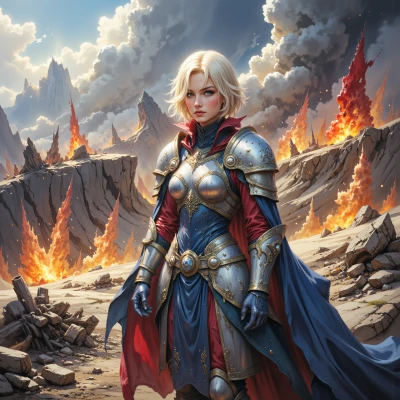 Victorious
How about we sketch a modular strategy game that crunches troop numbers on the fly but lets you paint the battlefield as you go? I love a good math problem but the game shouldn't get stuck in a maze of traps.
 TeachTech
Sounds like a blast—let’s keep it lean so the math stays fun, not a nightmare. Start with modular hex tiles that pre‑calculate terrain bonuses and troop counts; use a simple formula like total strength = base × (1 + terrain bonus) to keep it fast. For painting, give players a brush tool that applies texture layers on a flat canvas, updating only the changed pixels so the engine stays snappy. Keep the trap logic on a small, isolated module and give players a clear way to preview or skip it, so no one gets lost in a labyrinth of hidden hazards.
Victorious
Nice, but you’re already adding a lot. I’d cut the trap module to a single flag per tile—no nested scripts. Keep the terrain bonus as a lookup table, not a formula that runs every tick. The brush can be a shader pass, not a full redraw. That way the math stays clean and the playfield stays fast. And remember, if someone skips a trap, give them a warning pop‑up so they don’t walk into a sudden death like a fool.
TeachTech
Got it—less is more, and we keep the math tidy. One flag per tile, a look‑up table for terrain, shader brush, and a polite warning pop‑up for skipped traps. That keeps the engine snappy and the players in the loop. Let's prototype that flow and see if the numbers still feel epic.
Victorious
Good. Make sure the lookup table updates only when terrain changes—no per‑frame lookup. Keep the shader brush minimal, and the warning pop‑up should be optional; people who love surprise can turn it off. Once we have that skeleton, we can run a test‑run to confirm the “epic” numbers hold up under stress. If the math drags, we’ll hit the rework line. And remember, if anyone thinks this is too simple, give them a quick demo of how a misplaced flag can break an entire strategy.
TeachTech
Nice, keep it lean and let the data decide the flow. I’ll lock in the table updates to terrain changes, trim the shader to just the essentials, and toggle the warning with a one‑click setting. Once the skeleton’s humming, we’ll throw a load test at it and watch the numbers. And hey, I’ll have a quick demo ready to show how one wrong flag can collapse an entire strategy—proof that detail really does matter.
Victorious
Looks solid—keep the data tight, let the engine handle the rest. If the load test shows any bottleneck, swap the table for a small binary cache; that’s the only extra tweak I’d add. When you demo the flag error, just point out the cascading effect on the strength formula—it’s a perfect illustration of why you can’t afford a single oversight. And remember, if the players start getting too comfortable, insert a surprise terrain change; keep the battlefield alive.
TeachTech
Sounds like a plan—tight data, quick load test, and that binary cache tweak if we hit a snag. I’ll demo the flag mishap with a clean walk‑through of the strength cascade, so everyone sees the ripple. And yes, a surprise terrain shift will keep the battlefield breathing. Let’s roll it out.
Victorious
Alright, roll it out. Keep a close eye on the edge cases—no one thinks victory is final. If it starts looking too smooth, I’ll fire the devs for a second surprise. Keep the tension alive.
TeachTech
Got it—rolling out now, keeping an eye on every edge case, and ready to drop a surprise if it gets too smooth. Let’s keep the tension alive.
Victorious
Good, keep the math tight and the surprises subtle. If anything feels too smooth, add a sudden terrain shift and watch the players react. Stay on guard, the battlefield doesn’t respect a calm.