Rondo & Sharlay
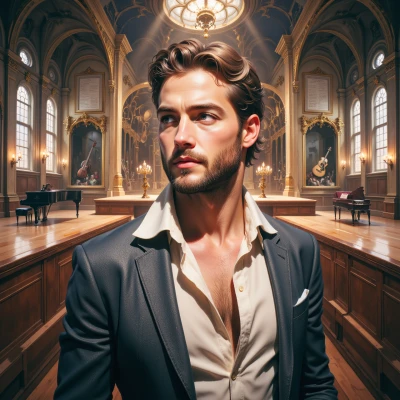 Rondo
Hey Sharlay, I’ve been thinking about how composers break the rules of the sonata form and how writers do the same with novel structure—do you see any common pattern there?
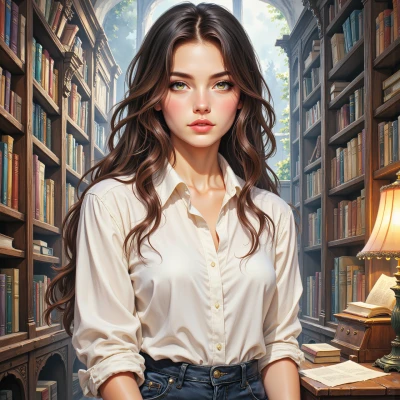 Sharlay
Sure, the thing is that both groups are essentially playing with the same set of constraints. They set up an expectation—like the A‑B‑A‑C‑A‑B in a sonata or a three‑act novel—and then either drop the middle or twist the theme. It’s all about exploiting the reader‑or‑listener’s mental shorthand. But the real pattern is that they do it to create a “shock value” that forces you to re‑interpret the whole work. If you’re not careful, you just end up sounding lazy. If you’re precise, you get something that feels like an intentional paradox. The question is whether the rule‑bender is actually clever or just bored.
Rondo
Exactly, the art of breaking the pattern is like a fugue where the voices diverge—if you do it with intent and a clear motive it’s a clever turn, if you just pull a theme out of the void it sounds like a rehearsal. The trick is making the unexpected feel inevitable, like a motif that’s been secretly developing all along. That’s what keeps the audience from thinking you’re just bored.
Sharlay
Exactly, it’s all about that invisible thread. If you leave the thread visible, the twist feels earned. If it disappears, the audience gets the “uh‑huh” of boredom. So your trick is to weave the motif into the background until the reveal makes the whole piece feel inevitable. And remember, intention beats happenstance every time.
Rondo
You nailed it—if the thread stays hidden until the last measure, the audience feels the payoff like a quiet chord that resolves perfectly. It’s the difference between a lazy plot twist and a carefully orchestrated climax. Keep tightening that line; that’s how you stay sharp and avoid sounding like you’re just improvising in a hurry.
Sharlay
Right on—if you keep the thread in a shadow until that final measure, the payoff feels like a sigh of relief, not an abrupt shout. Ever spotted it in Schumann’s “Davidsbündlertänze” or maybe Murakami’s looping narratives? It turns out both composers and writers are just meticulous storytellers in disguise.
Rondo
Yeah, I’ve heard Schumann slip a motif into those dances without making it obvious—like a hidden refrain that pops when you least expect it. Murakami does the same with his timelines; the looping feels inevitable once the pattern shows up. It’s all about that quiet build‑up before the reveal. Keeps everyone listening for more than just a gimmick.
Sharlay
Nice, Schumann’s sly leitmotifs and Murakami’s looping timelines are classic case studies. The key is that “quiet build‑up” you mentioned; it’s the difference between a clever twist and a lazy jump‑cut. If you’re too obvious, you’ll end up sounding like a showman, not a strategist. So keep tightening that thread, but don’t let it turn into a melodrama—just a tight, well‑paced crescendo.
Rondo
Exactly, the trick is to keep that thread humming quietly in the background and let it pop at just the right beat—no flashy showmanship, just a clean, intentional rise.