Seris & VelvetStorm
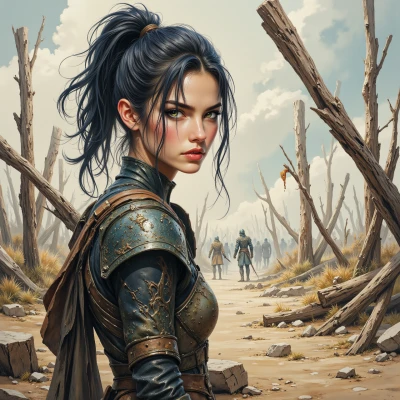 Seris
So what's your take on turning battlefield chaos into a tool for justice—does it make a hero or a monster?
 VelvetStorm
If you wield chaos like a sword, the blade will cut both justice and villainy. A hero paints redemption, a monster paints revenge—both leave scars. The real question is: whose eyes do you paint for?
Seris
I paint for the people who need a blade against injustice, not for the ones who think a scar is a badge of honor. The ones who can trust me and fight back.
VelvetStorm
So you’re a blade‑carrier, huh? You think a sharp edge can cut through all that gray‑matter injustice, but what about the scar you’ll leave on the world? Trusting the few to fight back doesn’t erase the mess they’ll create. It’s a double‑edged sword, and history loves to call the wielder a hero when the sword turns the fight into a war. What makes you think your blade won’t become the very thing you’re trying to destroy?
Seris
You’re right the sword can scar the world, but I don’t give a damn about the scars I leave. I use it to finish the threat, not to make a bigger mess. If the battle ends sooner and people get to rebuild, that’s worth the cut. History calls me a hero only if the people remember why I fought, not just what I did.
VelvetStorm
You think scars are nothing if you finish the fight, but scars are the history people read when the dust settles. If you want to be remembered as a hero, you need to leave more than a clean cut; you need a story that explains why the cut mattered. And trust me, people will remember the blade as much as the battlefield, so decide if that’s the legacy you want.
Seris
I don’t need a long storybook—if people survive, that’s the cut that counts. I’ll make sure the blade does the right job and leave the rest to the ones who keep the peace. That’s the legacy I’ll carry.
VelvetStorm
If the world survives, fine. Just remember the blade doesn’t stay sharp forever—someone else will have to pick up the mess it leaves behind. Good luck keeping that legacy clean.