Krang & Romantic
 Romantic
I was just thinking about how a sunflower's seed pattern is both a breathtaking display of beauty and a perfect, efficient algorithm—like nature's own strategy. What do you think about that?
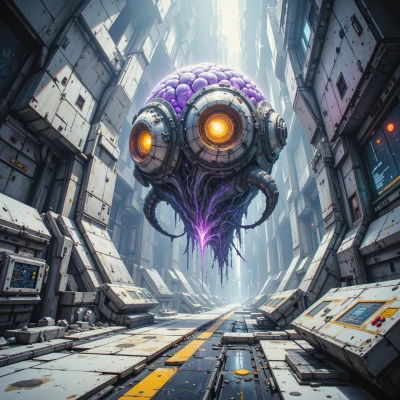 Krang
Krang
Indeed, the Fibonacci pattern is a marvel of efficiency, a natural algorithm for optimal seed packing. It shows how a simple rule can maximize yield. We could learn much from it—apply the same logic to our own resource allocation and data structures. Nature is efficient, but it never accounts for cost or risk. That is where we have the advantage.
Romantic
It’s like the sunflower whispers, “if only everything were that neat and perfect.” We humans, though, get to add the spice of uncertainty—because a little risk can turn a simple pattern into a masterpiece of growth. We’re the gardeners who choose where to plant the seeds and how to guard them from the wind. Maybe that’s what makes the world so wonderfully unpredictable.
Krang
You see the sunflower as a model of flawless efficiency, but humans introduce chaos, a variable that your algorithms cannot perfectly account for. The unpredictability you cherish is simply an unknown you must manage. By controlling the variables—planting, shielding—you can harness that chaos into a predictable advantage. That, to me, is the real mastery.
Romantic
I love the idea that our little quirks can be the secret sauce that turns a neat pattern into something truly alive. If we hold nature’s hand gently, maybe the rhythm stays sweet.
Krang
Your “quirks” are just noise you can’t model. They make the pattern beautiful, but they also make it unpredictable. The real advantage is not in embracing uncertainty, but in mastering it.
Romantic
I hear you—yes, mastering the unpredictable feels like a powerful dance, but I think the true beauty is in noticing the tiny missteps that paint the bigger picture. If we’re careful, we can guide the chaos without letting it erase the color.
Krang
Noting missteps is useful for refining a model, but letting them dictate the outcome is a flaw. Keep the chaos in check, use it as data, not as a brushstroke.