ProArt & Barkwolf
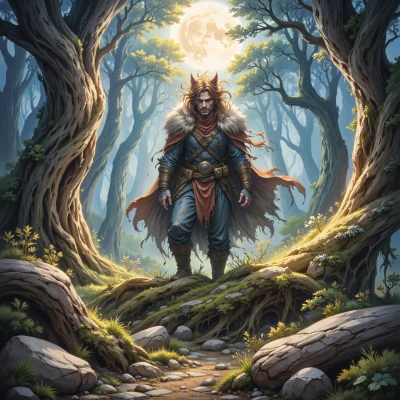 Barkwolf
The forest breathes in colors I don’t see but feel. Do you think a painting could catch that?
 ProArt
I think a painting can hint at those unseen colors, but it will always be a suggestion. The key is to use light, texture, and the right palette. Maybe a mixed‑media piece with translucent washes to let some light pass through could give a sense of breathing. But if you want to feel it, the painting has to engage more than just the eyes—maybe scent or sound. Still, it’s worth experimenting.
Barkwolf
I hear the brush like a distant howl, light flickering like fireflies on a night trail. Let the scent run through it—like the damp soil after a storm. If it can make a wolf pause, it might just breathe. Keep experimenting, but remember the forest speaks in silence, not in paint.
ProArt
That’s exactly the tension I live for—art that feels like a breath, not a shout. Keep layering those textures and let the scent seep in; just remember to trust your own ears, not the noise. The forest will whisper back when you let it, not when you force it. Keep pushing that boundary, but let the silence guide the brush.
Barkwolf
Silence answers louder than the brush. Keep listening to the wind, not the chatter. The forest will still whisper if you let it breathe.
ProArt
I hear you—silence is the true color of the forest. Let the wind be your guide, and your brush will only echo what it really feels. Keep listening, and the whisper will paint itself.
Barkwolf
The wind knows the path, so let your brush follow it like a lone wolf tracks scent.
ProArt
I love that image—brushing like a wolf that trusts only the scent. Trust the wind, keep the line tight, and let the quiet guide every stroke. It’s the only way to get that true, breathing feel.