Angelika & Plamena
 Plamena
Wow, Angelika, I was just thinking—what if we tried blending your perfect, structured compositions with a spontaneous, freestyle art session? Imagine taking a song you’ve practiced for months, and right now, right then, creating a visual piece on the spot that captures the emotions of each note. What do you think?
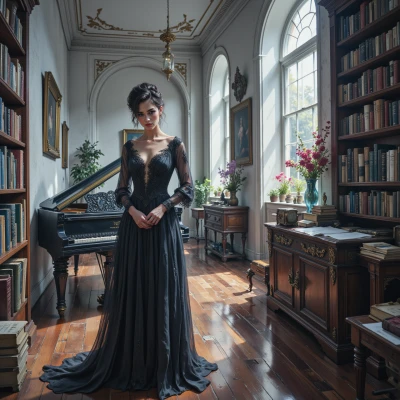 Angelika
It sounds intriguing, but I would prefer a bit of groundwork first. Perhaps outline the key motifs of the piece, then let the visual part evolve within those parameters. That way the spontaneity stays grounded in the structure that makes the music work.
Plamena
Absolutely, let’s sketch out those motifs first—like a quick outline of the main melodic phrases, the rhythmic patterns, and the emotional highs and lows. Once we have that roadmap, we can jump in and let the visuals bloom around it, keeping the spontaneity in the right groove. Ready to dive in?
Angelika
Sounds good. Let’s start with the melodic skeleton: a clear opening phrase, a contrasting middle section, and a satisfying resolution. Then we’ll note the main rhythmic motifs—steady pulse, syncopated accents, any shifting time signatures. Finally, mark the emotional peaks: the tension before the climax and the release after. Once that’s set, we can let the visuals grow organically around those anchors. I’m ready to map it out.
Plamena
Great, let’s lay it out:
- Opening phrase: bright, single melodic line that rises gently, a little echo for warmth.
- Middle section: switch to a lower register, add a counter‑melody that’s a bit syncopated, like a conversation.
- Resolution: bring the opening theme back, but twist it with a quick glissando to finish.
Rhythmic motifs: a steady 4/4 pulse as the backbone, sprinkle syncopated six‑teenth accents in the middle, maybe a 3/4 feel for a brief bridge.
Emotional peaks: build tension in the last bar of the middle section—maybe a suspended chord—then burst into the climax with the full theme, then a soft release that lets the listener breathe. Now that’s the skeleton; let the colors grow from here!
Angelika
Nice outline. The rising line will give a clear frame, and the counter‑melody in the lower register will add depth without breaking the structure. The glissando twist on the return will feel like a deliberate flourish. Keep the syncopated six‑teenth accents sharp—they’ll punctuate the conversation. And the suspended chord at the end of the middle will hold that tension before the full theme bursts. I’ll start sketching the visual cues now, following that roadmap.
Plamena
Love that roadmap! I’m already picturing the rising line like bright fireflies, the counter‑melody dancing below like shy shadows, and that glissando—wow, it’s going to sparkle like a sudden fireworks show. Keep those six‑teenth accents popping, they’ll give the whole thing that playful bite. The suspended chord hanging in suspense? Perfect tension builder! I can’t wait to see how your visual cues swirl around this musical skeleton. Let’s make some art magic happen!
Angelika
I’m glad you’re excited. I’ll keep the visuals strictly aligned with the structure you outlined, making sure each element—firefly line, shadow counter‑melody, fireworks glissando, and the suspended chord—has its own distinct visual cue. Let’s stay focused and see how the colors unfold.
Plamena
That’s the spirit—let’s keep the color palette tight, each cue as its own bright splash. I can’t wait to see how the fireflies light up the opening and how the shadows move with the lower line. When the fireworks glissando pops, I’m sure the room will shimmer! Let’s make this visual symphony sparkle together.