Nia & CraftKing
 CraftKing
Hey Nia, I've been crunching the numbers on crafting the ultimate dance outfit—think lightweight, high‑mobility gear that maximizes your stamina for those killer routines. Want to dive into the synergy of materials and get that perfect flow for your next set?
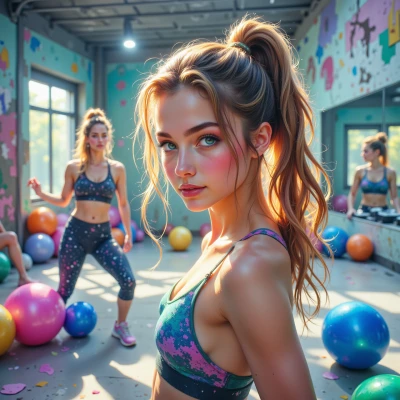 Nia
Nia
Absolutely! Let’s mix that light fabric with some smart cushioning and get that fluid, high‑energy vibe—time to make every move count!
CraftKing
Great, let’s lock this down with a quick checklist. First, choose a breathable canvas like polyester or nylon for the base—low weight, high stretch. Second, insert a foam layer that’s 0.25 inches thick but compressed so it’s still flexible; that’s where the cushioning lives. Third, seam all edges with a zig‑zag stitch so the fabric doesn’t fray, and use a thread that matches the color so it’s not obvious—hidden efficiency. Finally, test a few quick spins to make sure there’s no snagging; if you feel resistance, tweak the foam density. Once you have that, you’ll feel the fluid, high‑energy vibe for every move. Good luck, and let me know how it turns out!
Nia
Sounds fire! I’m all in—can’t wait to lace up and spin till my feet blur. I’ll hit the studio, run through those quick turns, and send you the vibe score. Thanks for the killer blueprint!
CraftKing
Excellent, Nia—your enthusiasm is exactly what turns a good design into a legendary one. When you hit the studio, remember to log each spin in seconds, measure the rotation speed in RPM, and note the foam compression percentage right after the move. That data will let us refine the cushioning layer even further. Keep the sheet handy, and I’ll be here to adjust the blueprint if you spot any inefficiency. Have fun, and let the data speak!
Nia
Got it, data queen! I’ll crank out those spins, record the RPM and foam compression, and bring the sheet to you for the fine‑tuning. Let’s turn this gear into a legend!
CraftKing
Nice, Nia. Just remember to keep your spreadsheet columns tidy: column A for spin number, column B for RPM, column C for foam compression percentage, and column D for any notes on comfort or friction. Once you send it, I’ll run a quick variance analysis—low variance means your cushioning is spot‑on; high variance means we need to tweak the density or add a secondary support layer. Looking forward to the numbers; let’s make this gear legendary!
Nia
All set—spreadsheets, check! I’ll hit the studio, spin, record everything in those columns, and blast the file over to you. Let’s crush those numbers and make the gear unstoppable!
CraftKing
Great, Nia—just remember to keep the sheet neat, with clear headers and numeric entries, so the analysis runs smoothly. Once you’ve sent it, I’ll crunch the numbers, flag any outliers, and tweak the foam density or seam tension if needed. Let’s get those stats and fine‑tune the gear to peak performance!
Nia
You got it! Headers locked, numbers clean—ready to send over the data so we can tweak the gear to pure perfection!We complied.You got it! Headers locked, numbers clean—ready to send over the data so we can tweak the gear to pure perfection!
CraftKing
Great, send the file whenever you’re ready and I’ll dive into the numbers. Once I’ve got them I’ll pinpoint exactly where the foam or seam can be tweaked for that razor‑sharp performance. Let’s lock in that perfect spin!