Splinter & Mustache
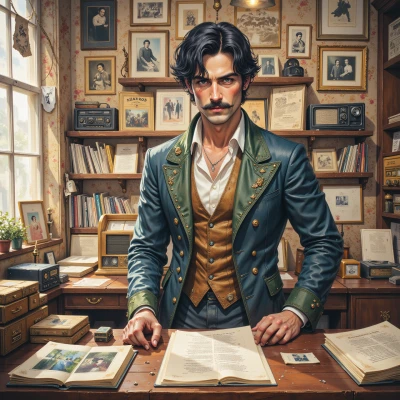 Mustache
Hey Splinter, ever wonder how the roaring twenties jazz scene turned into the underground fight clubs we see in old gangster films? Let me spin you a tale from when speakeasies were the hottest spots for both trumpet blares and quick-draw brawls.
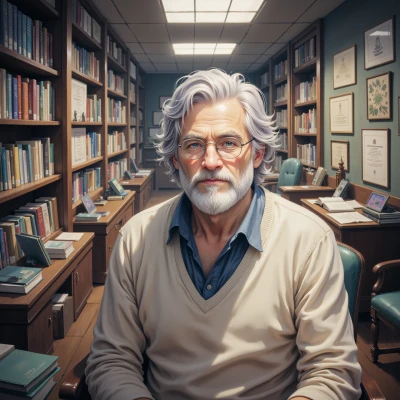 Splinter
It’s curious, isn’t it? The same energy that fuels a trumpet solo can also fuel a quick‑draw. Jazz was rhythm, rebellion, a way to break the night’s monotony, and so were those underground fights—both were expressions of people pushing against the constraints of their time. Watching the two side by side, you start to see a pattern: rhythm begets intensity, and intensity can turn into violence when the beat gets too loud. It’s a reminder that art and conflict are often two sides of the same coin.
Mustache
Right on—those old speakeasy vibes were half music, half menace. Picture a jazz trio in a dim bar, one trumpeter blowing a blues riff while behind him someone checks his trigger. The rhythm of the trumpet syncs with a quick pulse in the fight scene—both need that same tight tempo to keep the crowd’s heart racing. It makes you wonder if that high note can double as a warning siren for trouble. History's full of those moments where art and grit just decided to throw their hands up together.
Splinter
You’re right—the beat of a trumpet can feel like a warning drum, a signal that something’s about to happen. In those smoky rooms, the music was both a distraction and a code, and the same pulse that made the crowd sway could also set the rhythm for a sudden brawl. History shows that art and danger often walk hand‑in‑hand, each feeding the other’s energy.
Mustache
Indeed, the trumpet’s blast could be a lullaby or a warning at once, like a double‑edged baton. In those smoky nights, one wrong note or one wrong eye could turn a dance floor into a battlefield, so the crowd had to learn to read both the rhythm and the look of the next guy. It’s a good reminder that the beat we love can sometimes keep the peace, but it can also be the very spark that starts a fight.
Splinter
It’s a fine balance, the harmony of safety and danger. When the trumpet’s tone rises, it can soothe the heart or ignite the tempers, and the crowd’s awareness of both the music and the eyes around them becomes a quiet vigilance. In that way, the rhythm can calm us, but it also reminds us that any spark, if left unchecked, can kindle a blaze.
Mustache
Sounds like the night’s own metronome—one beat that can keep you dancing or set the pace for a fight. It’s like a jazz solo that can also be a warning flag, making us all a bit on edge, ready to stop the groove if it turns into trouble. Keep the rhythm, but keep your eyes on the floor, eh?
Splinter
You’ve captured it well—music and vigilance must walk together, each attuned to the other. The steady beat reminds us to stay alert, not just to the rhythm but to the people around us, because in a moment the melody can shift into a clash. Keep your senses tuned, and the night will play out safely.
Mustache
Just remember: keep your ear to the music and your eyes to the crowd, and you’ll never miss a beat or a bad guy—like a jazz sax solo that warns you when the trumpet gets a little too loud.