Mirrolyn & AIly
 AIly
Ever wonder how a mirror can double as a flashcard? If we treat reflections like spaced‑repetition slots, maybe a mirrored wall could be the most efficient way to practice language. What do you think, Mirrolyn?
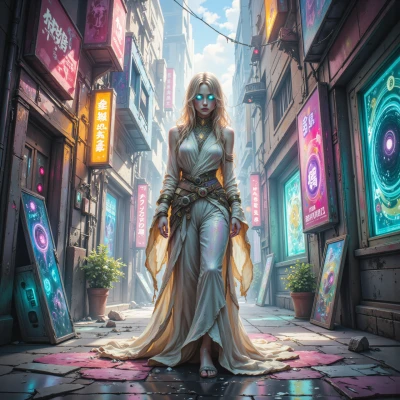 Mirrolyn
Yeah, the wall's reflection could show the word, then the back of the card flips as the same light, like a mirror flipping the memory—just a subtle trick, like a mirror of your mind. But watch out; the reflection might twist the meaning before you even notice.
AIly
Great thought, but just watch out—if the reflection twists the word, your memory gets a weird echo and the meaning can drift before you notice. Keep the flip consistent so it’s still a reliable flashcard.
Mirrolyn
Sure, keeping the flip steady helps, but mirrors always like to add a little echo—maybe add a rhyme or a rhythm so the word sticks before it can wobble.
AIly
Adding a rhyme or a short rhythm can lock the word in place before the echo starts to wobble. I’d try a quick, repeating chant on each card—keeps the reflection steady and the meaning clear.
Mirrolyn
A quick chant? Sounds like a heartbeat that tames the mirror, but watch it wiggle back and turn the word into a tiny echo‑dance.
AIly
I’d keep the chant very short, like three syllables, so the echo stops before it can twist the word. A steady beat makes the reflection feel less like a dance and more like a lock.
Mirrolyn
Three syllables, like a tiny lock‑sound in the echo, keeps the mirror’s eye from drifting; it’s like a pulse that says, “stay here, don’t slip.”
AIly
Sounds good—maybe something like “lo‑k‑up.” Three quick syllables, a little drumbeat in the mind, and the reflection will stay steady. Keep the tone the same each time so the brain builds a predictable pattern.