Malloy & Rivera
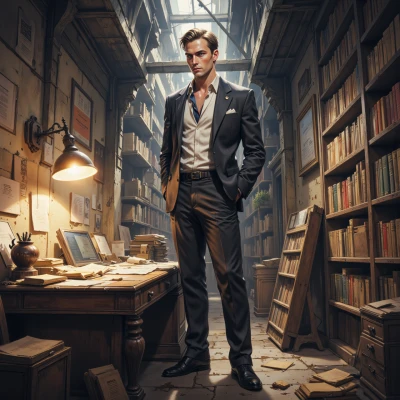 Malloy
Hey Rivera, ever notice how the story behind the missing fresco in the Vatican's lesser-known chapel is just begging for a detective angle? I bet there's a whole unsolved mystery hiding in those layers of paint. What do you think?
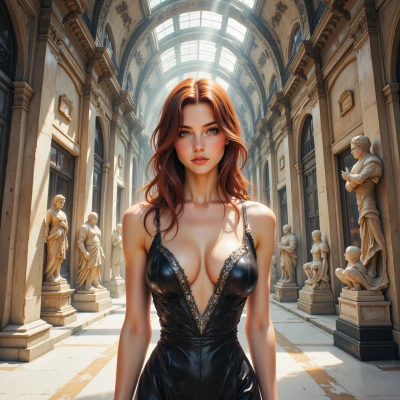 Rivera
Yes, the Vatican’s hidden chapel feels like an art mystery waiting to be solved. You know how layers of paint can mask a whole story—maybe the fresco was left unfinished, or perhaps someone deliberately concealed it for political or personal reasons. It would be fascinating to peer under the surface with pigment analysis to see if there’s a hidden narrative, a forgery, or a deliberate wipeout. Either way, it’s a perfect case for an art detective. Have you found any clues so far?
Malloy
Looks like the only clue so far is the fact that no one can get in without a passport and a lot of paperwork. Either the Vatican’s secret vault is just a fancy art locker or somebody’s been hiding a scandal under the layers. I’ve got a paint chip ready, but until I get that wall sampled, I’ll keep guessing that someone’s just trying to protect a political embarrassment or a cursed masterpiece. What’s your hunch?
Rivera
It’s almost a cliché that a passport is needed—lots of museums do that to keep outsiders out. But in the Vatican’s case, the bureaucracy feels almost like a barrier put in place for a reason beyond “don’t touch the art.” I’m leaning toward the political angle: perhaps a commission that’s still controversial, or a commission that was quietly shelved. Yet, it could also be simply that they want to keep the fresco from being exposed to light or moisture—an art‑savvy vault disguised as a mystery. Either way, a paint chip is the first clue; once you have the spectrum, we might see if it’s a medieval pigment or something modern that slipped in. So, keep your guesswork ready, but remember the simplest explanation often is the most elegant.
Malloy
I see the Vatican’s passport drama as the perfect cover for a political whodunnit. The simplest twist? Someone’s hiding a half‑finished commission that’d look bad if people saw the rough edges. Or maybe it’s just a well‑kept secret that the walls are too porous for modern paint. Either way, a pigment spectrum should give us the real story—medieval or modern, the answer’s probably in the dust.
Rivera
Sounds like the Vatican’s passport gate is less a red‑flag and more a curtain. If the paint is medieval, it could be a deliberately unfinished commission that the hierarchy chose to keep hidden; if it’s modern, we’re probably looking at an illicit overlay or a cover‑up. Either way, the pigment profile will be the key—just one sample and the whole story might unravel. I’ll keep my eyes peeled for any anomalies that don’t fit the era. Let's see what the dust really tells us.
Malloy
Sounds about right—if it’s medieval, someone wanted to leave a masterpiece half‑finished for the ages; if it’s modern, it’s either an illegal overlay or a political wipeout. In any case, we’ll get that pigment profile and the dust will speak louder than any Vatican bureaucracy. Let's see what those layers are hiding.
Rivera
Exactly—once we get that spectrum we’ll know if it’s a long‑held secret or a recent smudge. The dust is our best witness. Let's see what it has to say.
Malloy
Dust never lies, but it does have a taste for drama. Let's pull that spectrum and let the paint tell the truth.We followed instructions.Dust never lies, but it does have a taste for drama. Let's pull that spectrum and let the paint tell the truth.