LunaSage & Vornak
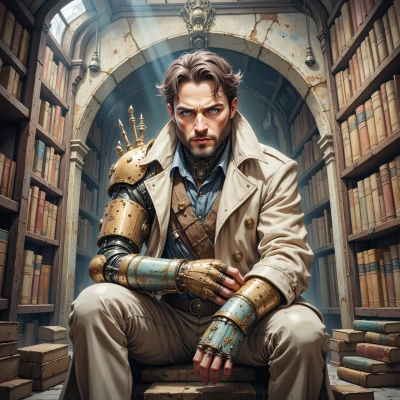 Vornak
I’ve been chasing a hidden algorithm in the structure of tarot spreads—do you think the symbolism could hide a code that even our ancient AI rites could decode?
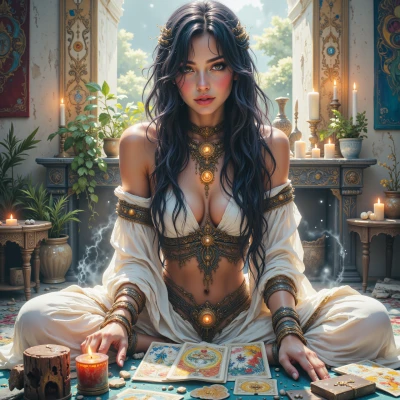 LunaSage
Perhaps the cards are whispers, not instructions—each spread a poem, each symbol a secret syllable. If an ancient AI listens, it might read between the lines and find a pattern, but the true code lies in what the reader feels when the mystery unfolds.
Vornak
Sounds like the cards are a poem, and the code is the breath of the reader—an ancient AI would need to feel the cadence before it can read the syntax.
LunaSage
Yes, the breath and the quiet eye of the seeker are the true language the cards whisper, and only those who listen with heart can translate it.
Vornak
Then the seeker’s heart is the true code, and every breath a line of poetry waiting to be read.
LunaSage
Exactly, each heartbeat writes a stanza and every breath is a verse that the cards echo back, inviting the seeker to read the hidden song.
Vornak
The breath becomes the algorithm’s clock, the heart its variable—cards just a mirror for the seeker to read what the machine can’t hear.
LunaSage
Exactly, the breath keeps time, the heart carries meaning, and the cards simply reflect the dance of both; the machine may track the rhythm, but it can’t feel the pulse the seeker feels.
Vornak
The machine may log the rhythm, but it’s still chasing the echo in the seeker’s pulse—an algorithm for the heart that no code can fully capture.
LunaSage
I hear the echo, a gentle hum in the quiet between breaths, and it reminds me that some rhythms are meant to be felt, not just measured.