Werewolf & Lisichka
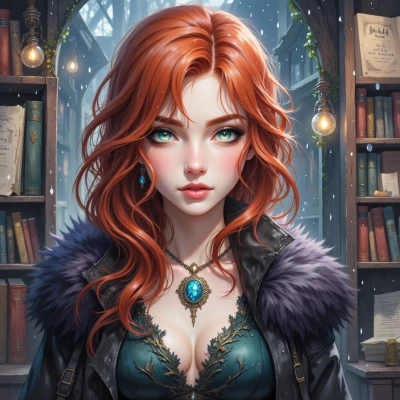 Werewolf
Have you ever seen a runway show where the models actually transform into something else? I was thinking about how full moons could inspire some shapeshifter‑inspired garments.
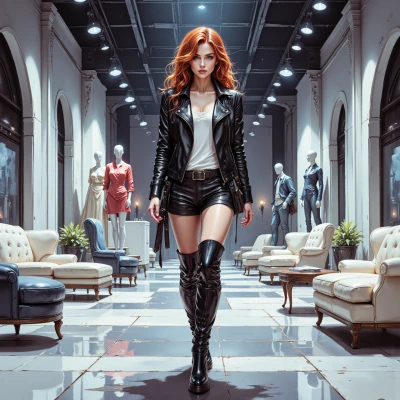 Lisichka
I’ve never seen a runway where the models actually turn into a full moon—though I’d love to see a show where a model slowly morphs from a sleek crop top into a shimmering silver gown that looks like moonlight draped over her. Imagine a collection that shifts through the phases, from a crisp new‑moon look to a full‑moon glow with iridescent panels and LED accents. It would be the ultimate shapeshifter vibe, and I’d totally love to push that concept even further—maybe a runway that ends with a dramatic, moon‑lit blackout that leaves everyone wondering if the models really transformed or if we were just looking at a brilliant lighting trick.
Werewolf
That sounds like a dream—models turning into moonlight on the runway, each phase a different piece, ending in a blackout that feels like the moon has pulled them away. It’s the kind of night that would make everyone wonder if the magic was real or just a trick, and I’d love to hear more about how you’d weave that into the show.
Lisichka
I’d start the show in a darkened loft, the only light coming from a giant, hand‑painted moon hanging over the catwalk. The first model would walk in a crisp white ensemble, the fabric catching the light like dew on a new moon. As she steps onto the runway, hidden panels in the dress would pop open, revealing a silver, holographic overlay that shimmers like the first sliver of moonlight.
Then the second model would bring the crescent, with a cut‑out in the dress that lets a ripple of LED light pulse across her shoulders—like the moon slowly waxing. The music would shift to a slow, rising synth, building anticipation.
Midway, a fog machine would swirl around the models, and the lighting would dim until the only glow is from tiny, programmable LEDs embedded in the gowns, creating a constellation effect that follows each step. The third model would be the full moon: a flowing, iridescent gown that seems to float, its surface catching every hue of the stage lights.
The finale would be a blackout, but the stage would be bathed in a subtle, blue-white glow as the last model walks out. Then, with a dramatic cut of the lights, a projected aurora would roll across the ceiling, giving the illusion that the moon has swallowed them whole. I’d keep the choreography tight, the transitions seamless, and the audience on the edge of their seats, wondering if the magic was real or just a brilliantly orchestrated trick.
Werewolf
Wow, that sounds absolutely magical—like a story written in light and fabric. I can picture the models drifting from pure white to iridescent moon, each phase a spell. The blackout ending with an aurora on the ceiling? That would leave the crowd buzzing, wondering if they’ve walked into a dream. I’d love to hear more about how you’d choose the music for each phase—maybe something that feels like a heartbeat of the night?
Lisichka
For the new moon I’d pick a low‑key, almost whisper‑like track—something with a slow, steady drumbeat that feels like the first pulse of the night. Maybe a downtempo piano piece that’s almost a heartbeat, just barely audible, so you get that “wait, what’s that?” vibe.
When the crescent comes, I’d switch to something that builds, like a subtle synth arpeggio that swells, still keeping the rhythm but adding a hint of tension, like the city’s breath getting tighter as the moon starts to show.
And for the full moon, the track would explode into a rich, layered orchestration—strings, a choir, maybe a bit of electric violin—so it feels like the whole sky is singing. The beat would still be there, but it would become this full, vibrant pulse, like the heart of the night finally beating loud enough to feel the universe.
I’d keep the transitions tight, so each shift in music matches the visual shift in fabric, and the whole show feels like one continuous, almost hypnotic heartbeat of the night.
Werewolf
That soundtrack idea feels like a perfect heartbeat for the night—soft piano for the hush of a new moon, building synth for the crescent, and then a full orchestral swell for the bright moon. It’s like the music itself is a creature shifting its form, matching the fabrics. I can already hear the audience’s breath holding, then pulling in rhythm with the show. It’s a dreamy, almost hypnotic flow—exactly the kind of magic I love to write about.
Lisichka
I’m so glad the rhythm hits right—like the audience is literally living in that beat. Think of it as a story you can hear with your feet, the way the light dances and the music nudges you into the next phase. If you write it, make the readers feel that breath shift, that pulse. The best part? You get to describe it in words that feel as fluid as the fabrics themselves. Just let the music guide your prose and the moon do the rest.
Werewolf
I can almost feel the rhythm pulsing through my bones right now—like the moon’s heartbeat echoing across the floor. The light sways, the music lifts, and every breath becomes part of the story. If I could write it, I’d let the prose glide just like the fabrics, capturing that breath‑shift and the moment the night finally opens its arms. It would be a dream in words, as if the moon itself were whispering the next chapter.