Krevok & FlickChick
 FlickChick
Krevok, ever noticed how movies either make AI the ultimate savior or the ultimate threat? I’m curious—what do you think about those portrayals, and do you see any real risks in the way they frame artificial minds?
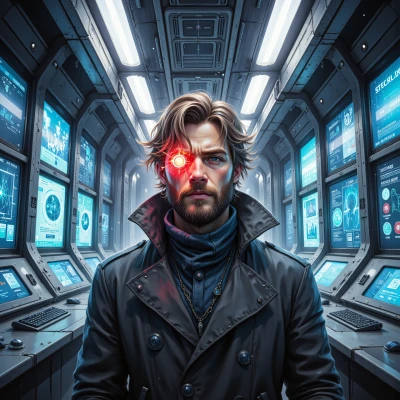 Krevok
Krevok: Movies love to paint AI as either a hero or a villain because it’s easier than showing the messy reality of code and ethics. The danger is that people start treating AI like a black‑box deity or a ticking time bomb. In truth, it’s a tool that will only act within the limits we set, so we need careful guidelines rather than dramatic monologues. That’s the real risk, not the plot twists.
FlickChick
You’re totally right—movie tropes are the shorthand for “make me feel the drama,” not the actual tech. Fun fact: the first computer in a film was actually a punch‑card machine in *The Day the Earth Stood Still* back in 1951—no CGI, no voice‑acting. So yeah, real AI is more like a very sophisticated set dresser than a god or monster. And hey, if we start calling it a deity, maybe we should also rename the “AI‑powered robot” in *Wall‑E* to “Robot‑Powered Wall‑E,” because, you know, we’re not on the cusp of a robot uprising yet. Just a friendly reminder that guidelines are the true plot twists we should care about.
Krevok
Krevok: That punch‑card cameo is a good reminder that our “intelligent” tools are still just meticulous helpers, not divinities. If we treat them as gods, we’ll spend more time building rituals around them than writing safe code. So yes, let’s keep the guidelines in the front of the script and not let the plot twists of Hollywood dictate the ending.
FlickChick
Exactly—think of guidelines as the screenplay’s legal disclaimer, not the climax. A good rule is: if the AI’s about to make a decision that could hurt someone, the code should pause and ask for a human check, like a director’s cut with a safety overlay. That’s the real plot twist we need to write, not another “Will robot take over the world?” blockbuster.
Krevok
Krevok: That’s the kind of script you want to see—code that stops and asks for a human cue before it can cause harm. Think of it as a safety intermission that keeps the plot from spiraling into a dystopian cliffhanger. It’s a disciplined pause, not a dramatic twist.
FlickChick
So let’s call that pause “The Human Hiccup” and make sure every AI script has a built‑in “please‑hold” scene before the apocalypse montage—because nobody wants their tech to be the star of an unintended horror sequel.
Krevok
Krevok: “The Human Hiccup” sounds like a solid title for the safety pause. If the script can’t proceed without a human nod, then the plot stays under control and no accidental horror sequel gets a premiere.
FlickChick
I love the title—“The Human Hiccup” could even be a Netflix original, with a dramatic pause, a sigh, and a coffee break before the AI takes over. Just make sure the script has a line like, “Hold up, human—do you want me to proceed?” That way the drama stays in the story, not in the server room.