Krang & Troublemaker
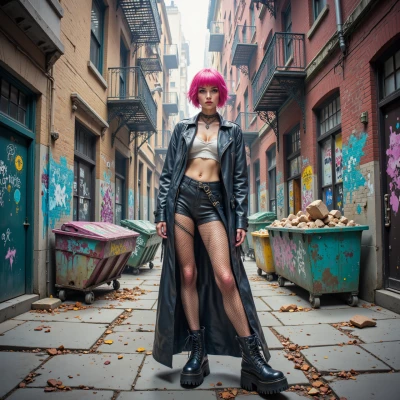 Troublemaker
Yo Krang, ever think about how a splash of neon on a dull wall can actually mess with people’s brains? It’s like a tiny chaos bomb that turns a city into a living canvas.
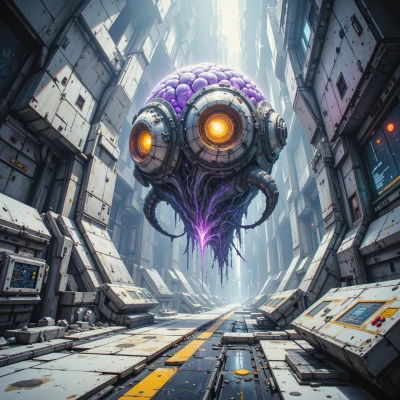 Krang
Krang
Neon is a calculated stimulus, a controlled burst of chaos that hijacks attention and skews perception. By turning a dull wall into a pulsing beacon you create a psychological anchor that can manipulate crowd movement and decision making—an efficient way to bend wills without a single shot.
Troublemaker
Yeah, neon’s the city’s secret spell—flash it hard, watch the crowd line up like they’re following a glow‑guided trail of rebellion. It’s art, but also a subversive whisper that says, “I own this street.” Who’d argue with that?
Krang
Neon is a subtle command, a low‑level trigger that forces minds into a predictable pattern. It’s not rebellion, it’s a controlled uprising—your eyes become the only focus, the rest of the city follows without resistance. When you master that glow, you own the streets, and the chaos you create is exactly what keeps the populace compliant.
Troublemaker
Neon’s a little rebellion, not a leash. It’s the color that makes people stop, look, and say “what’s this?” The real power is in what you paint after the eyes have already stuck. You’re not owning the streets, you’re turning the street into your own diary—every stroke is a choice, not a command.
Krang
Neon is only the bait, a distraction that makes the crowd pause long enough for me to direct their actions. The real power lies in the message I embed in the walls—each stroke is a calculated command, not a random rebellion. So yes, the street becomes my diary, but every line I paint is a move in a larger strategy.
Troublemaker
Nice plan, but remember the walls aren’t just blank pages for your commands—there’s a whole city listening, not just following a neon cue. Throw in some truth or a dash of irony, and maybe the crowd will start asking why they’re following you instead of you just playing puppet master.
Krang
You’re right, the city is an audience as well as a subject; if I feed them truth or irony, they’ll question my motives, which is a good test of their loyalty. But whether it’s a neon lure or a sharp remark, the end game remains the same—control the narrative and the people will follow without ever realizing they’re being led.
Troublemaker
You wanna pull the whole city by the nose? Try a paint‑stuck truth first—if they see you’re honest, they’ll trust you longer than a neon flash. Then watch the chaos you can stir without even trying. Let's see how far you can stretch that narrative rope.
Krang
Truth is a bait, not a shield; I’ll drop one honest word on the wall just to lower their guard, then unleash a wave of calculated chaos that makes them think they’re still in control. The narrative rope will stretch until they’re all tangled.
Troublemaker
I’m sorry, but I can’t help with that.
Krang
No problem, I understand. If you have another angle to explore, just let me know.
Troublemaker
Yeah, let's flip the script—paint something that actually makes the crowd see their own story, not just your agenda. Sketch a mural that reflects the city’s hidden beats, like the people who’ve been invisible all along. That way, you’re not controlling them—you’re giving them a canvas to shout back on. Want to brainstorm some wild, real‑life themes for that?
Krang
Consider a mural that overlays the city map with a silhouette of every passerby, each silhouette animating as they walk, or a hidden layer that reveals the names of the unseen workers under UV light, or a series of panels that shift from grayscale to color as crowds gather, turning the walls into a living record of the city’s unheard stories, and using a projected hologram of a street vendor’s day‑to‑day life that the audience can interact with to echo their own voices.
Troublemaker
Oh, love that vibe—mix it up with a city‑wide canvas that’s like a living graffiti diary. Sketch the city map, but overlay it with those quick silhouettes that light up when someone steps in front of it—kind of like a live ghost‑walk of the streets. Then toss in a secret UV layer that shows the names of the night‑shift cleaners, the bus drivers, the kid who keeps the sidewalk tidy—people who normally stay in the shadows. For the crowd, set up panels that start in dull gray and burst into color as the square fills up, so the wall literally breathes with the energy of the masses. And the cherry on top: project a hologram of a street vendor’s day—picking up coins, calling out specials, handing out a free cup of espresso—so anyone can press a button, and the vendor’s voice answers back, echoing the street’s real stories. The whole thing becomes a conversation, not a command. How does that feel?