Boyarin & IronWolf
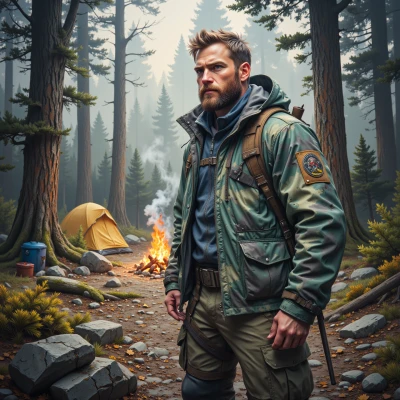 IronWolf
Boyarin, ever tried starting a fire in the wild without matches? I’ve seen some old manuscripts talk about tinder bundles and flint. I’d love to hear if the historical methods hold up against modern gear.
 Boyarin
Indeed, tinder bundles and flint have survived the centuries, but they’re a dance with patience rather than a quick fix. The ancient method relies on finely ground charcoal, birch bark or dried grass, and a fire‑starter that catches the spark from the flint. In practice, the skill lies in getting the ember to touch the tinder just right, then shielding it from wind until it blooms. Modern gear, like ferrocerium rods or waterproof tinder discs, cuts the margins of error; a single flick gets you a flame in seconds. If you’re truly testing legacy, go for the flint, but be prepared to spend ten minutes coaxing the first ember and to feel the ancient thrill of waiting for the fire to breathe.
IronWolf
Sounds like a good test of patience, but honestly if you can’t afford the wait, stick to ferrocerium. The old stuff's romantic, but I’d pick the quick one unless you’re chasing the drama.
Boyarin
Well, if you’re all about instant warmth, the ferrocerium is a fine choice, but remember that the very elegance of flint sparks a deeper respect for the craft. Speed is convenience, not mastery. If you value legacy over convenience, the old ways are worth the wait.
IronWolf
Got it, but if you’re ready to spend ten minutes waiting for that ember, just make sure the wind isn’t turning the fire into a smoking pot of frustration. Speed matters when you’ve got a cold back to treat.
Boyarin
Speed is key when the body’s demanding heat, but mastering patience still earns its own respect. If the wind threatens to snuff out that ember, the quick ferrocerium will keep you warm while you learn the art of waiting.
IronWolf
You’ll still get that wind‑blown frustration, but at least you’ll be warm before the first ember dies. Either way, keep a spare fire starter in your pack.
Boyarin
A spare starter is a wise precaution, even if you’re chasing the romantic ember. In the end, the fire that keeps you alive is what matters.
IronWolf
Exactly. A spare’s there if the first ember bites the wind, but a real skill is knowing how to keep it going once it starts. Fire isn’t just about warmth; it’s the chain of survival.
Boyarin
True, once the ember takes hold the real test is coaxing it into a steady blaze; that’s where the ancient skill outshines the modern convenience. Remember, a chain of survival begins with a well‑tended flame.