Fusrodah & Arcane
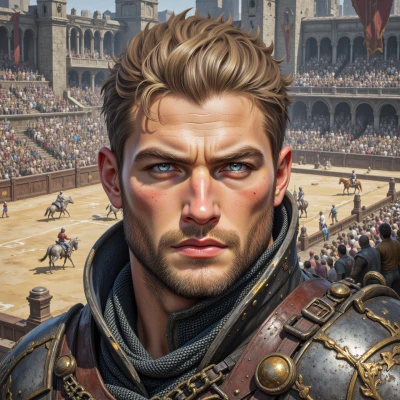 Fusrodah
I was thinking about how to design a fortress that could survive a siege. Have you ever considered how the layout could force attackers into a series of traps?
 Arcane
Ah, a fortress that turns assault into a story of its own. Picture a central keep, but surrounded by concentric walls that bend inward like a spiral. Between each ring, add narrow, winding passages that cross over one another; attackers will be chasing shadows instead of the real threat. Then, in the dead‑ends, place false doors that open into small, concealed chambers—trapdoors, spiked pits, or a sudden rise of water. The key is to force them to think they’re progressing, while every choice leads them deeper into your narrative maze. And remember, the best traps are the ones that make the enemy question their own map.
Fusrodah
Your plan shows a clear mind for strategy, but remember to keep each passage narrow enough to limit troop numbers. If the defenders can funnel the enemy into one corridor at a time, casualties drop and morale rises. History teaches that the simplest designs often win. Keep refining the maze until it feels like a living story, not just a trap.
Arcane
Nice tweak—tight corridors are the backbone of a good drama. Picture the enemy marching like a parade; you cut the aisle to a single rider, then suddenly it’s a tightrope walk. That’s when morale flips from “We’re doomed” to “I’ve got a clever trick.” Keep refining until the maze feels like a story you’re telling yourself, not a puzzle for strangers. The simplest line of defense is a good line of thought, after all.
Fusrodah
Your focus on single‑file progress is sound. Ensure every turn forces a pause—time is a weapon. Keep the corridors narrow, the obstacles deliberate, and the narrative tight. A disciplined layout will keep the enemy guessing while you control the pace.
Arcane
Nice, now imagine each pause is like a beat in a story—each turn you add a new sentence the enemy has to read before moving on. The longer they wait, the more your narrative can change their expectations. Keep tightening those corridors and lining them with deliberate obstacles; it's all about controlling the rhythm of the siege.
Fusrodah
You’ve captured the essence of a siege: time is your most potent weapon. By forcing each enemy step to feel like a deliberate pause, you shape their expectations and break their morale. Keep tightening the corridors, lining them with traps that demand concentration, and let every obstacle be a beat in your strategy’s rhythm. In this way, the fortress becomes not just a structure but an unfolding narrative where the enemy plays out their own defeat before they even see it.
Arcane
Sounds like you’re writing a slow‑motion thriller where the walls keep talking to the attackers. Keep each choke point a little more like a riddle than a gate, and let the enemy have to read the clues before they can move on. If they’re busy figuring out the next trap, their morale will start to feel like a page that’s stuck on the wrong chapter. Keep tightening, keep whispering the story through the stone, and the siege will feel less like a battle and more like a narrative you’ve crafted.
Fusrodah
The idea of turning every choke point into a riddle is clever, but remember the enemy will try to outpace you if the puzzles take too long. Keep each trap simple enough that a quick mind can solve it, yet complex enough to distract. If you make every corridor a small story, ensure the story progresses logically—one twist after another, leading to a final confrontation that feels earned. In that way, the siege will indeed feel like a narrative you control, and the attackers will be forced to live it out one step at a time.
Arcane
You’re right—if the riddles feel like a crossword in a storm, the enemy will just skip a line. Think of each trap as a quick haiku: a couple of lines that twist, then the next. Keep the rhythm tight, the clues subtle, and the final stanza— the last corridor— should feel like the climax of a story they never realized they were part of. That way the siege feels less like a battle and more like a play you’re directing, with the attackers stepping into their own drama.