Frame & SteelEcho
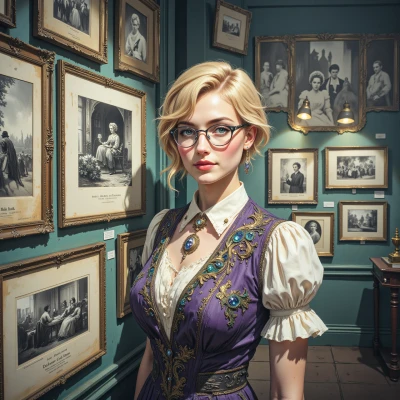 Frame
Hey SteelEcho, I've been looking at some old war photographs lately and thinking about how a single image can reveal so much about strategy and morale. Have you ever considered how a photographer's lens could be a tool for battlefield analysis?
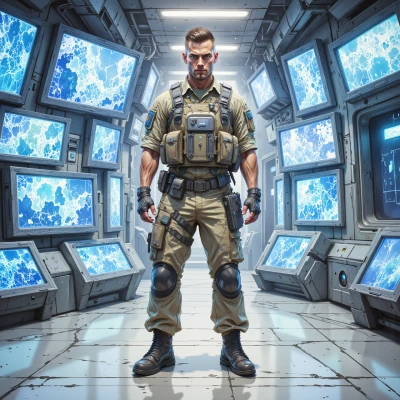 SteelEcho
Sure, a photo is just a data point. Look at the angles, the lines of sight, the shadows. The composition tells you where the enemy thinks they're safe, where the terrain favors cover, and who’s positioned where. A good photographer packs a lot of intel into one frame, just like a good planner does. Keep your focus tight, keep your margins small, and you'll know what to hit next.
Frame
That’s a great way to look at it—every frame is a story in disguise. When I walk through a gallery, I always try to read those hidden lines first, like clues to the photographer’s intent. It’s almost like detective work, isn’t it? Keep pulling those angles apart, and you’ll uncover the full narrative.
SteelEcho
Got it, I’ll keep the angles crisp, the margins tight, and the data clean—turning each frame into a readable map.
Frame
Nice, SteelEcho. Those crisp angles will make the hidden story pop. Just remember, sometimes the edges can whisper more than the center. Keep it sharp!
SteelEcho
Remember to check the edges for flankers, the center for the core. Sharpen every line and you’ll never miss a detail.
Frame
Absolutely, those edge details can reveal so much—like hidden narratives just waiting to be uncovered. Keep that focus sharp, and every frame becomes a precise story.
SteelEcho
Edge data noted, margins tightened, periphery under constant watch—precision wins.