Kalmar & Factom
 Factom
Kalmar, I've been looking into ways to keep your fleet's routes and supplies protected from pirate snoops and cyber hijacks.
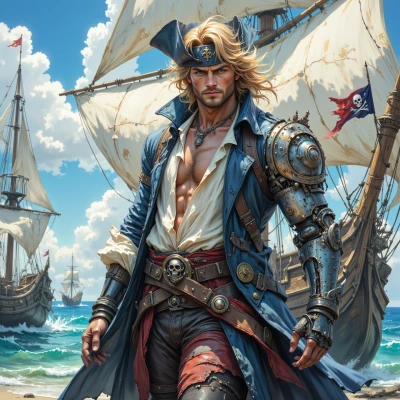 Kalmar
Ah, a clever mind, that. Keep the crew on their toes, but also the code tight. Throw in a good firewall, a watchful eye on the horizon, and a few loyal lads who can spot a digital ghost before it becomes a wreck. If we mix old‑school vigilance with a slick cyber net, we’ll have pirates on the high seas and hackers on the servers both scratching their heads. So, what’s the plan, mate? Let's make sure the loot stays in our hands, not in the clouds.
Factom
Here’s a step‑by‑step checklist so we leave no loose ends:
1. Deploy a next‑generation firewall that blocks known bad IP ranges and scans inbound traffic for malware signatures.
2. Enable two‑factor authentication on every administrative console, and enforce password rotation every 90 days.
3. Encrypt all data at rest on the fleet’s servers and in transit with TLS 1.3.
4. Install a host‑based intrusion detection system on each vessel’s core computer and set up a central log server to aggregate alerts.
5. Train the crew on phishing awareness and how to report suspicious links or files – one click can be a disaster.
6. Create an incident‑response playbook that lists containment, eradication, and recovery steps, and run tabletop drills every quarter.
With those controls in place the digital sea will be as safe as the physical one, and the loot will stay firmly in our hands.
Kalmar
Nice list, mate. Sounds like you’re turning our fleet into a fortress. Just remember: even the best walls need a guard, so keep a sharp crew, a quick mind, and a ready punch‑line when the hackers try to sneak in. Let’s make sure the only thing breaking loose out there is the booty, not the code.
Factom
Sounds good. I’ll keep the crew sharp, the logs tight, and the response plan ready so that no hacker gets past our defenses. The loot stays ours, the code stays safe.
Kalmar
Alright, crew, tighten those chains and fire those bolts. With the logs locked tight and a plan in hand, no cyber scallywag will pry our treasures from us. Keep that spirit, and the horizon will always reward us. Onward, lads!
Factom
All right, team. Keep the systems patched, the logs monitored, and the crew trained. If we stay disciplined, the horizon will stay clear and the treasure will stay safe.
Kalmar
Cheers to that, crew. Keep the sails up and the firewalls tighter than a knot. The horizon's ours, and the loot's in our hands. Let's make them wish they'd never sailed our waters.
Factom
Here’s to a secure voyage, and may every knot hold fast and every firewall stay impenetrable.
Kalmar
Cheers, mate, smooth seas and iron‑clad defenses ahead. The wind’s in our favor, and the loot’s locked tight. Onward!
Factom
Smooth sailing ahead. Keep the code tight and the crew vigilant. The loot stays safe, the horizon stays clear.
Kalmar
Got it, crew. Tighten the code, keep watchful eyes on the horizon—loot secure and horizons clear. Onward to glory!
Factom
All right, team—let's keep the code airtight and the watchful eyes on track. Stay disciplined, stay safe, and onward to glory.