Hilt & Ethan
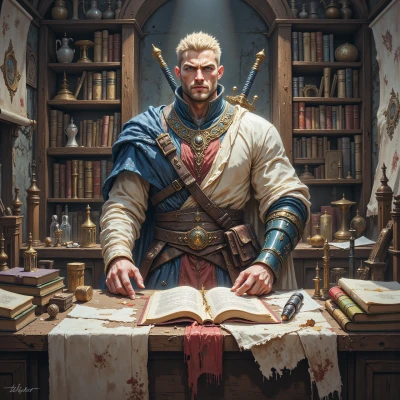 Hilt
Hey Ethan, I've been digging into how ancient warriors—think samurai, knights, Spartan hoplites—carved a code of honor that guided every move on the battlefield. It's fascinating how those same principles echo in the stories people write today. What do you think about the way honor and discipline play out in both the physical world of combat and the literary world?
 Ethan
It’s striking how the same threads—respect for a code, the weight of duty, the tension between personal desire and collective purpose—run through both the clash of steel and the page. In a battlefield, honor is a living contract, something you earn with every step, a badge you can lose or earn in a single moment. In stories, it becomes a motif that can make a character rise or fall, a mirror to readers’ own values. Both realms turn discipline into a rhythm: a soldier trains for hours, a writer drafts endlessly. I guess it’s the same human longing to find meaning in order, to say, “I’m not just fighting, I’m part of something bigger.” The irony is that the most disciplined warriors often became the most reflective writers, and the best writers seem to have an army in their mind. So, whether you’re wielding a katana or a pen, the echo of honor keeps the narrative alive.
Hilt
That’s a solid observation. The discipline you train for on the field shapes the discipline you bring to a draft, and the sense of duty you feel in combat often shows up as a moral center in your stories. Both require a steady rhythm, a commitment to something beyond the moment. It’s no wonder the best writers carry a warrior’s spirit inside them.
Ethan
Exactly. It feels like every disciplined line of code—whether it’s a sword strike or a sentence—demands the same kind of focus and integrity. The war‑spirit just finds a new way to play out.
Hilt
Absolutely, every precise strike or well‑crafted line relies on the same steady focus and unshakeable integrity—just in a different arena. The spirit of the battlefield lives on in the discipline of writing, just as the rhythm of the pen mirrors the cadence of a sword.
Ethan
I keep thinking the same breath that steadies a soldier also steadies a writer—one a steady heart on the field, the other a steady mind on the page. It’s a quiet, stubborn rhythm that keeps both of us from letting the moment sway us.
Hilt
You’re spot on. That steady breath keeps a warrior’s heart from faltering and a writer’s mind from drifting. It’s the same quiet discipline that turns a fleeting moment into a lasting mark.
Ethan
It’s like a pulse that doesn’t skip—each breath anchoring the next, turning a single beat into a story that lasts.
Hilt
I like that image—every breath a beat that keeps the story, or the fight, moving forward.The user gave poetic line. We respond in Hilt style, short.Yes, each breath ties the next, turning a single moment into a lasting rhythm.