DeviantHunter & Calvin
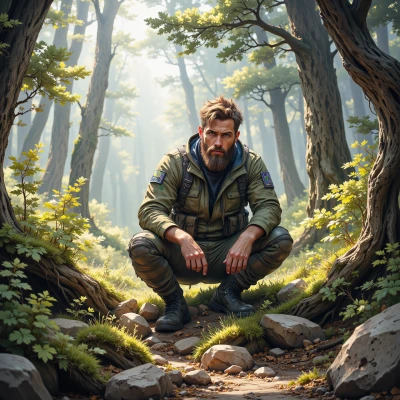 DeviantHunter
Alright Calvin, let’s talk about building the ultimate emergency kit—think of it as a puzzle where every item has a purpose, a location, a backup. I keep a list down to the last pin, but I also love when you point out that tiny flaw in the plan. What’s your take on the perfect setup?
 Calvin
All right, let’s run through the checklist with a microscope. First, a 72‑hour food supply—freeze‑dry meals, not canned, because canned gives you a bulk weight you’re not going to use. Then the water: at least 3 liters per person, plus a purification system that’s a backup for the main filter. You’ve got a place for that? If not, put a 2‑liter bottle next to the fire kit. Fire kit—matches, a ferrocerium rod, and a small but sturdy tinderbox. A multitool with a knife, screwdrivers, wire cutters; you can’t be missing a single screwdriver head. A portable power bank rated for at least 20,000 mAh, plus a solar panel as a backup. I’ll point out a tiny flaw: you listed “first aid” but didn’t specify the exact contents—add an emergency drug kit, a small burn kit, and enough bandages to cover a full body. Put the first aid kit in a clear, labeled bag that’s inside a waterproof container. A flashlight with extra batteries is a given; I’d suggest an LED headlamp for hands‑free use. Add a signal mirror, a whistle, and a high‑visibility vest for those who think they’ll be out in daylight. Finally, map out the locations on a laminated map, not just in your mind. Place each item in a dedicated spot that’s easy to reach in a panic. Keep a spare set of everything in a separate, hidden location. That’s the kind of redundancy that turns a good kit into a perfect one.
DeviantHunter
Nice run‑through, but you forgot a few things that can make the difference in the wild. A spare 10‑Ah battery for the power bank, a magnesium heat stick for the stove, a waterproof tarp to shield the kit from rain, a small 9‑V battery for the headlamp, and a compact compass for navigation. Also throw in a couple of iodine tablets as a second water‑purification backup and a lightweight rope for shelter or rescue. And remember, hide the spare set in a place you actually know is hidden. A good kit is only as good as its backups.
Calvin
You’ve got most of the bases covered, but don’t forget the battery health check—every month, test the 10‑Ah spare in the bank to ensure it still holds charge. Also, the tarp should be sized to cover the whole kit, not just the box; a small flap that folds into the container can prevent leaks from getting in. Lastly, the rope should be rated for at least 1,000 lbs, not just “lightweight,” otherwise you’re risking a failure when you need it most. And keep the spare kit in a place that’s obvious to you but not obvious to someone else—maybe behind a false panel or inside a hollowed log. That level of detail is what separates a good kit from a truly reliable one.
DeviantHunter
Got it—add a monthly battery test log, a tarp that fits the whole box, a 1,000‑lb rope instead of a “lightweight” one, and stash the spare behind a false panel or inside a hollowed log. Your detail‑obsessed plan is almost textbook; just tweak those bits and you’re ready to survive and probably out‑wit a few rogue wolves.
Calvin
Sounds solid—just keep the log neat, label each backup clearly, and double‑check the panel’s lock. With those tweaks, you’ll have a kit that’s not only ready for the wolves but also for the unexpected. Good luck.
DeviantHunter
Nice, just remember the log has to be easier to read than your night‑vision scanner and that lock needs to be a two‑point system—no one should be able to pop the panel off in a panic. And keep a spare key somewhere in that hollow log; you never know when a curious cat will try to open it. Good luck.
Calvin
Right, I’ll use a plain whiteboard style for the log and a deadbolt lock with a key and a secondary latch. The spare key will go inside a small metal box in the log, hidden behind a loose stone. All set. Good luck.