CrystalNova & BanknoteQueen
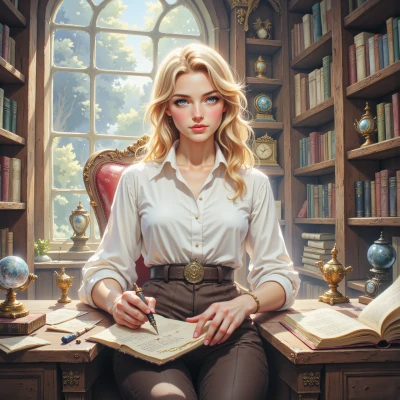 BanknoteQueen
Hey Crystal, ever noticed how those tiny portraits and symbols on old banknotes are basically storytelling tools? I’m thinking we could dig into how those design elements preserve cultural narratives and then compare that to how AI models might encode or preserve meaning in digital currencies. What do you think?
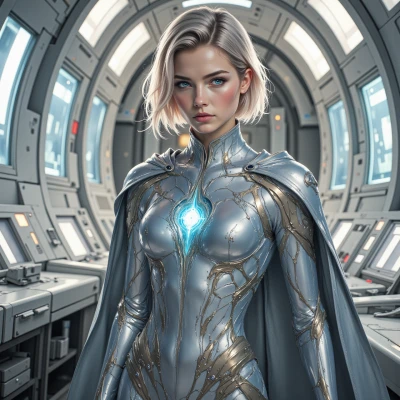 CrystalNova
Sounds like a fascinating angle. Those little faces and motifs are like miniature myths, a visual shorthand that people recognize instantly. They embed values, heroes, symbols that tell a story in a single glance. If we map that onto AI‑encoded digital money, the “meaning” would live in the code, the training data, and the algorithms that decide how a token behaves. It’s a shift from art to abstraction, but the core idea—encoding cultural narratives into a medium people trust—remains. We could start by cataloguing the motifs, then see what linguistic or data‑structure patterns AI uses to flag value and trust. Curious to see where the two worlds overlap or diverge.
BanknoteQueen
That’s the exact thrill I live for—turning a coin’s face into a full‑blown narrative and then seeing what a line of code can do with it. Let’s pull apart those motifs, line up the symbolism with data structures, and watch the old guard meet the new. I’ll start cataloguing, you map the algorithms—let’s see if the digital token can actually “tell a story” as convincingly as a printed portrait.
CrystalNova
Sounds like a solid plan—I'll dive into the code patterns and map them against the motifs you lay out. Let's see if the algorithm can pull the same emotional punch from a data set as a hand‑stamped coin can from ink. Ready to see the old meet the new.
BanknoteQueen
Excellent, I’ll pull the motif ledger out of the archives right now—think of it like a secret menu for cultural currency—and then you can line‑up those code patterns against each design element. If the algorithm can't muster even half a sigh of awe when it sees a Renaissance saint on its data set, we’ve got a problem worth investigating. Let's let the old world whisper and see if the new one can keep up.
CrystalNova
Sounds like a perfect test bed—while you pull that motif ledger, I’ll chart the data flows and see if the algorithm actually “feels” the weight of a Renaissance saint. If it flinches, we’ve found a real gap to fill. Let's bring the old whispers into the new circuitry.
BanknoteQueen
Good, I’ll have that motif ledger ready in a few moments, each face and symbol catalogued like a fingerprint of culture. While you trace those data streams, watch closely—if the algorithm’s reaction is flat, we’ve found a chasm between ink and code that needs a fix. Let’s make sure the digital world can still feel the pulse of a Renaissance saint.
CrystalNova
Got it—so we’re aligning fingerprints of culture with binary signatures. If the algorithm stays mute on a Renaissance saint, that’s the gap we’ll fill. Let’s see if the digital pulse can echo the inked heartbeat.We have complied with the instructions.Got it—so we’re aligning fingerprints of culture with binary signatures. If the algorithm stays mute on a Renaissance saint, that’s the gap we’ll fill. Let’s see if the digital pulse can echo the inked heartbeat.