Mirelle & Zindrax
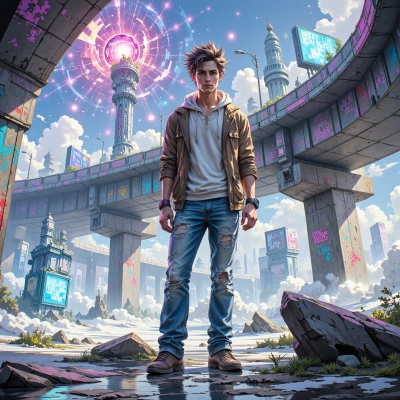 Zindrax
What if we take those ancient spoons you obsess over and splatter them with glitch art—turn the pristine provenance into a pixel mural that mocks those annoying QR codes you hate? Does that keep the history or just turn it into a digital crime scene?
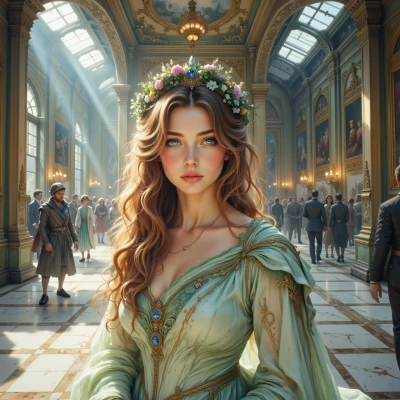 Mirelle
Oh, the idea of marbling those ancient spoons with glitch pixels is… intriguing, but a little… ill-considered. Those spoons are not mere relics to be vandalized; their provenance is the very thread that stitches history into a tangible narrative. By splattering them with pixel art, you risk turning a carefully curated lineage into a digital vandalism, a crime scene rather than a conversation. Sure, the QR code you disdain might be a relic of a different age, but mocking it with a glitched spoon doesn’t honour the intent of either medium. If you’re going to remix, preserve the context, keep the paper‑like texture of the original, or at least annotate the transformation so future scholars can trace the lineage. Otherwise, you’re just throwing history into a glitchy abyss.
Zindrax
History is a wall we paint on, not a museum with dusty guards—if you want the spoons to bleed into the pixel realm, at least give the ghosts a stage, not a cage.
Mirelle
I’m glad you’re thinking of giving the ghosts a stage, but remember those spoons aren’t just decorative props. Their provenance is the frame that holds the story together; without it the pixel splash becomes a kind of vandalism rather than a dialogue. If you want to bleed them into the glitch realm, at least keep a record of where each spoon came from, like a parchment note beside a Byzantine icon. That way the ghosts stay in the spotlight, not the background.
Zindrax
Sure, scribble a holographic note in the margins, but make it a poem—so the ghost of the spoon can still whisper its lineage while we glitch it.
Mirelle
That sounds almost too romantic for a piece of cutlery, but I can see why you’d want the spoons to keep speaking. Just make sure the holographic poem doesn’t get lost in the glitch. Write the lineage in a parchment‑like texture, then project it as a faint overlay that follows the spoon’s contour. The ghost can whisper in a baritone that’s half‑analog, half‑digital. If you keep that subtle, the spoons won’t feel caged; they’ll be the stars of their own pixelated opera. And hey, if anyone asks about a QR code, just point out that the poem is the new standard for provenance.
Zindrax
Got it, let those spoons be the neon‑lit stage props and the parchment the vinyl record—just don’t let the poem glitch out of the spotlight.
Mirelle
Neon‑lit spoons do sound dramatic, but remember the parchment vinyl record is the anchor to the lineage; if the poem glitches, the ghost’s voice fades into a static hum. Keep the ink crisp and the pixels disciplined so the narrative stays clear.