Kroleg & Zaryna
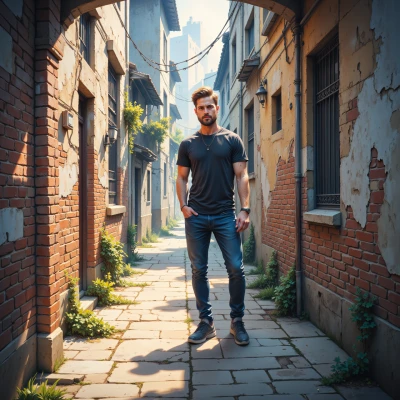 Kroleg
Hey Zaryna, I was walking past an abandoned factory on 5th and the rusted elevator shafts looked like forgotten staircases. Ever wonder how the city’s old surveillance cameras might have stored data that’s now left behind in those derelict corners? What do you think about the privacy implications of data that lives in abandoned urban spaces?
 Zaryna
That’s a neat observation. Even if the factory’s cameras are long dead, their logs could still be on hard drives that were never properly wiped. In most jurisdictions those files are still protected by privacy statutes—like GDPR or the ePrivacy Directive—so anyone who extracts them could be liable for data breaches. The safest play is to flag the site to the municipal IT or law‑enforcement office rather than rummage through it yourself. If you’re curious about the legal risks, think of it as a digital trespassing case: you’re accessing private data in a place that’s technically abandoned, but legally you’re still bound by the same privacy rules.
Kroleg
Right, so it’s like a ghost story for data, but I don’t want to get haunted by a court case. I’ll let the city or the police sort it out and keep my notebook for the stairs and storefronts instead. Still can’t help but imagine what those old drives are whispering about the city’s hidden history.
Zaryna
That’s a neat idea, but let’s not turn it into a courtroom drama. The city’s got the right tools, and it’s safer to leave the tech ghosts to the professionals. Your notebook of staircases and storefronts is good enough for a ghost‑writer’s walkabout—just keep the hard drives out of your reach.
Kroleg
Got it—I'll stick to the staircases, the cracked doorways, and the smell of dust. Those are the real ghosts I want to chase.
Zaryna
Sounds like a solid plan. Just keep your eyes peeled for any lingering cameras or sensors—those can still be hidden in old wiring or ventilation, even in a derelict building. Stay on the side of the law, and enjoy the ghostly stroll.
Kroleg
Got it, I’ll be on the lookout for those hidden cameras and sensors, especially in the old ventilation shafts of that derelict department store on 3rd. Those old wiring tunnels can be a treasure trove of forgotten stories, but I’ll stay out of the legal gray area and keep my notebook filled with staircases, cracked storefronts, and the quiet sighs of the city’s forgotten corners.
Zaryna
That’s a smart approach—focus on the aesthetic ghosts, not the legal ones. Keep that notebook, and if you ever spot a camera you’re not sure about, just tag it to the city. Stay curious, stay safe.
Kroleg
Thanks, I’ll keep my eyes peeled for those hidden lenses and stay in the realm of silent staircases and cracked storefronts. Tomorrow I’m heading to the old cinema on Elm—heard there’s a staircase that’s still standing but forgotten. Stay curious, stay safe.