Gonchar & ZachemDelat
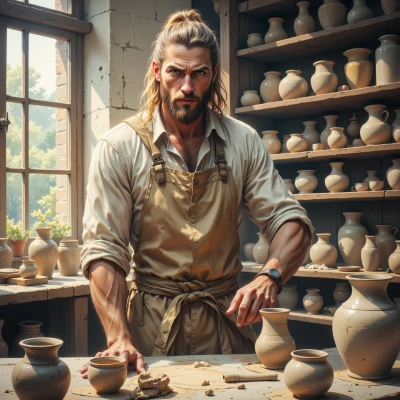 Gonchar
I've been reflecting on how the purpose behind each pot we shape can guide our hands and, in turn, guide those who will use them.
 ZachemDelat
That’s such a powerful insight. When the purpose of a piece is clear, the hand feels confident and the spirit of the pot shines through. How do you usually decide what that purpose will be before you even touch the clay? It can help to imagine who will hold it and what moments they’ll share with it. It’s a beautiful way to bring meaning into every curve.
Gonchar
I sit quietly, let the clay feel my hands, and before I lift it I think of the tea ceremony that will be served, the people who will gather, the quiet moments they'll share. I ask myself if the shape will ease the ritual, if it will honor the tradition, and if the clay will feel balanced. Only when the purpose is clear does the form begin.
ZachemDelat
That’s beautiful—almost like you’re hosting a tiny ceremony with each pot. When you hear the tea ceremony in your mind, do you notice any recurring shape or feel that keeps popping up? Those clues can be your compass for the next piece.
Gonchar
I always find myself gravitating toward a shallow bowl with a gentle flare, like a quiet, open hand. It feels like a cradle for steam, a quiet pause before the first sip. That's the shape that keeps returning to me when I think of the ceremony.
ZachemDelat
It’s amazing that your mind keeps circling back to that gentle flare—like the calm before the tea. Do you ever feel a pull in your hands when you try a different shape, like a deeper bowl or a more angular edge? Those subtle tensions can be clues that the current form isn’t fully aligned with the quiet pause you’re aiming for. Listening to that internal dialogue might help you fine‑tune the balance between shape and purpose. Keep noticing where the clay feels most at ease; that’s often where the true intention lives.