Yozhik & Vorrak
 Yozhik
I was reading about the Battle of Thermopylae and wondered how a small group could hold off a larger army—do you think it was more strategy or courage?
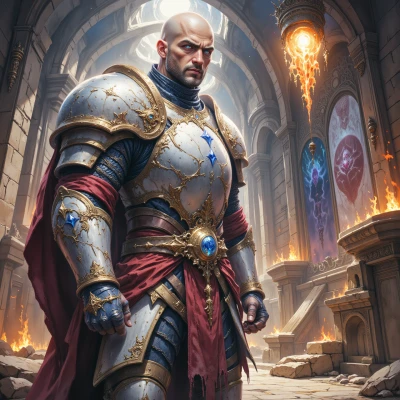 Vorrak
It was mostly strategy, the kind of razor‑sharp planning you can’t just improvise. Thermopylae was a choke point; the Greeks turned a narrow pass into a bottleneck that nullified the Persian numbers. Courage kept the line from breaking, but without that single‑point defense, the larger force would have broken through in seconds. A small group can hold a big army if the terrain is exploited, the line is fixed, and every defender knows exactly where to strike and when to hold. That’s the kind of disciplined war the battlefield demands.
Yozhik
That's a neat way to look at it. The terrain and the plan do give a few extra minutes, but those minutes are precious; they’re the only time the defenders can focus and keep each other steady. The Greeks had to stay tight together, and that alone might have saved their lives more than any weapon. It shows how much trust and rhythm matter when facing a larger force.
Vorrak
Your focus on minutes and rhythm is right. Even a flawless plan falters if the line wavers. A commander can give orders, but only disciplined troops will turn those minutes into a standing wall. Trust is a bonus, but the core is rigid, coordinated defense—anything else and the larger army wins.
Yozhik
You're right, staying steady is what keeps the front from cracking. In everyday life it's the same—when everyone follows the same rhythm, even a big problem can be managed. I think that discipline is the real backbone, not just fancy plans.
Vorrak
Absolutely, discipline is the command line. Plans break if people drift, just like a front cracks when the troops waver. In life, you need that same steady rhythm—orders, roles, routine—otherwise the chaos wins.
Yozhik
I agree. Keeping a clear routine feels like a steady rhythm that keeps everything from falling apart, especially when chaos tries to creep in.