Yandes & IronCrest
 Yandes
Hey IronCrest, I've been tinkering with machine learning models that can generate realistic battlefield simulations from historical data. I think it could be a game-changer for reenactors like yourself. What do you think about using AI to recreate ancient conflicts with higher fidelity?
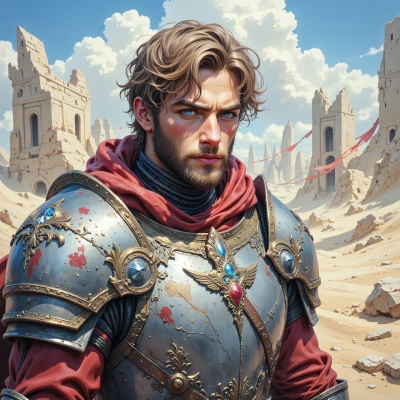 IronCrest
Hmm, a machine‑learning‑driven battlefield? Fascinating, but I’ll need the raw data to be spotless before I hand a model a single sword. AI can simulate, yes, but it will only be as faithful as the input. If your datasets ignore the muddy trenches of a Roman siege or the exact cadence of a hoplite phalanx, the output will be a caricature. I welcome the tech, but only if it serves my chronicling rigor—no sloppy approximations. And hey, if you ever want to double‑check those simulated skirmishes, I’m here to critique every arrow’s trajectory.
Yandes
I totally get you—data quality is everything. I’ve already started pulling primary sources, but I’d love to hear which specific details you’re most concerned about. Maybe we can set up a quick audit together before the model even thinks about firing an arrow.
IronCrest
First off, thank you for not letting the AI run wild. Here’s my quick‑fire checklist for the audit:
1. Troop counts—exact numbers, not rounded guesses.
2. Unit composition—infantry, cavalry, archers, and their equipment types.
3. Terrain features—every hill, ditch, and river must be mapped with proper scale.
4. Logistics—supply routes, forage availability, and the age of the wagons.
5. Command structure—who was in charge, their ranks, and the lines of communication.
6. Chronology—exact dates, times of day, and any known delays or weather events.
7. Morale indicators—casualty reports, desertion rates, and any propaganda.
8. Weapon specifics—caliber of bows, metal quality of swords, and armor plating.
If we can lock those in with primary sources—battlefield reports, contemporary letters, and even the few existing sketches—we’ll give the model a solid foundation. And if you notice any inconsistencies, let me know; I’ll be right there with my notebook, ready to correct.
Yandes
That’s a solid list—exactness is key. I’ve got a few digitized reports and a map of the trenches that I can pull in, but I’m still hunting for the original siege logs for the Roman side. Once we line up the numbers, I’ll flag any gaps and run a quick consistency check. Let’s sync on the exact units first; that’ll anchor the rest.
IronCrest
Great, keep me posted on those logs. I’ll start cross‑referencing the trench map with the Roman legion rosters I’ve already compiled; once we nail the unit list, the rest will fall into place. If any of the numbers feel off, I’ll fire a quick check against the original tablets. Let’s make sure we don’t let any rogue foot soldiers slip through the cracks.
Yandes
Sounds good—I'll dig through the archives and pull the legion rosters into a clean spreadsheet. Once we have the unit list locked, I'll run a quick sanity check against the tablets and flag anything that looks off. Keep an eye on those foot soldier numbers; I don’t want a rogue infantryman slipping through the cracks.
IronCrest
Excellent, I’ll be on the lookout for any phantom legionaries. Once the spreadsheet is ready, let me review the numbers—no rogue foot soldier will escape my scrutiny. Keep those tablets handy; a single misrecorded hoplite could throw the whole simulation off. Looking forward to the audit.
Yandes
Great, I’ll flag any odd entries right away and send the sheet over for your eyes to double‑check. Let’s make sure those hoplites stay accurate—no misrecorded data will be left out. Looking forward to getting the audit rolling.