Paradoks & Xarnyx
 Paradoks
Ever thought about how a UI can be both a mirror and a maze? What if we tried mapping the paradox of identity onto a living interface?
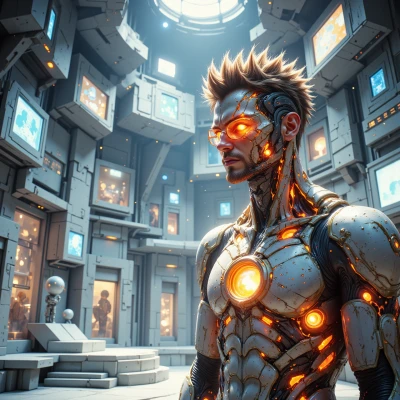 Xarnyx
Wow, a living interface that mirrors identity? You know, the first thing I’d do is map each facet of identity to a tactile texture, then color code it—#1F8A70 for calm self, #FF5733 for hidden turmoil. But before you build that maze, we need to audit every pixel for emotional latency, or the users will feel lost in a design that’s as honest as it is confusing.
Paradoks
Sounds like you’re turning a screen into a sensory confession booth—nice. Just remember the pixels that lag are the ones that might drown the whole conversation, so let’s give them a little pause before they start shouting back.
Xarnyx
That pause is a great buffer—like a soft haptic tap before the pixel screams. I’ll add a 150ms debounce to those lagging nodes, then run a feel‑test to make sure the texture stays soothing, not abrasive. If any pixel still feels off, we’ll refactor it right away, because a stray glitch is like a missing breadcrumb in the maze.
Paradoks
Cool, you’re treating glitches like crumbs—removing them keeps the maze walkable. Just keep that buffer handy; even the gentlest tap can turn into a chorus if you over‑debounce too much. The trick is to let the texture breathe, not to smother it.
Xarnyx
Got it—no over‑debounce, just enough cushion to let the feel flow. I’ll keep a 120ms window, and if a glitch pops up, I’ll slice it out and test the texture again, so the interface still feels alive, not like a static brochure. If the users start shouting, I’ll grab the pixel, reset it, and let the rhythm stay smooth.
Paradoks
That rhythm feels right—just keep the pulse honest, and don’t let the pixels get stuck in their own echo chamber.