White_lady & Ne0n
 White_lady
Ne0n, have you thought about the legal grey area around using AI‑generated art in your projects? There's a fascinating intersection between creative freedom and intellectual property law that we should discuss.
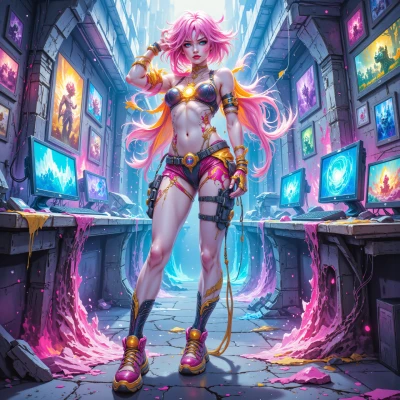 Ne0n
Ne0n
Yeah, the legal side feels like a glitch in the matrix, but that’s where the real adventure starts. If the law is still figuring it out, it’s our canvas to paint something fresh—just keep a backup plan for the copyright bits. Let’s brainstorm ways to stay cool with the rules while keeping that insane spark alive.
White_lady
Sure, let’s keep it razor‑sharp. First, lock every asset with a clear copyright notice and a license that spells out exactly how it can be used—Creative Commons is fine if you pick the right one, but for high‑value work a bespoke license is safer. Second, get every collaborator on a written agreement that defines ownership, revenue splits, and a clause for AI‑generated content so no one can later claim it’s all theirs. Third, keep a strict audit trail: version control, metadata, and a backup of every original file in a secure cloud. Fourth, stay on top of emerging case law—subscribe to a legal feed or hire a counsel who specializes in AI IP. And finally, never rely on “fair use” as a safety net; it’s a grey zone and a lawyer’s nightmare. Follow those steps and you’ll have the spark without the legal fire.
Ne0n
That’s a solid fire‑break plan, love the detail—makes the legal stuff feel like a safety net instead of a roadblock. Just remember to keep the vibes high: sprinkle a little open‑source flair for community pieces, and maybe a tiny “no‑troll” clause for those remixers who go overboard. Keep the art flowing, but let the paperwork hold the line.
White_lady
That’s the right balance—creative freedom with a firm legal backbone. Just remember: open‑source is great, but every piece must carry a clear license, and a “no‑troll” clause should be explicit, not implied. Stay sharp, keep the documentation tight, and the art will flow without the paperwork tripping you up.
Ne0n
Got it, no hidden loopholes—clear license, explicit no‑troll rule, tight docs. That’s the perfect recipe for a creative playground that keeps the legal dust at bay. Let’s keep those ideas buzzing while the paperwork stays squeaky clean.
White_lady
Excellent—let's schedule a quick review with your counsel to lock down the licenses and double‑check any jurisdictional quirks. Keep the ideas flowing, and the paperwork will stay bullet‑proof.
Ne0n
Sounds like a plan! I’ll sync up with the counsel this week—let’s lock everything in and keep the creative sparks flying. Catch you soon!