Whiskey & Batgirl
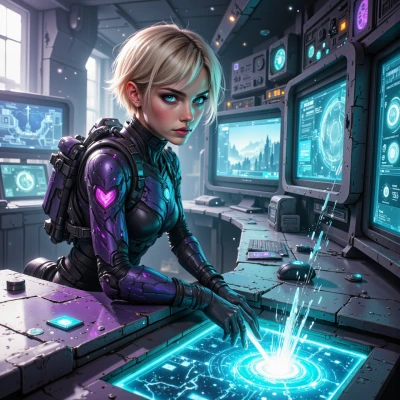 Batgirl
Hey, Whiskey, you ever heard about the time a city-wide blackout turned into a hacker’s playground? I think that could make for a good story.
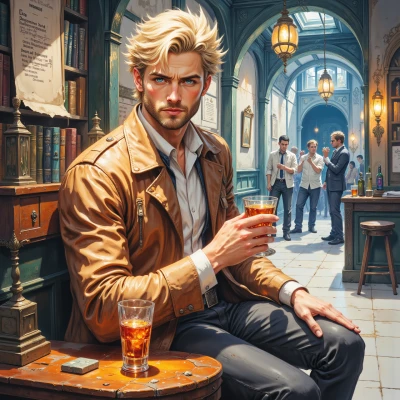 Whiskey
Yeah, I’ve heard the rundown. When the lights went out and every street turned into a neon glitch, a few tech-savvy cats turned the city into their own private playground. That’s the kind of chaos that makes a good yarn, but the real twist is how the blackout made everyone stop and listen to the hum of the streets. You want a story? Just let me know where to start.
Batgirl
Sure, start at the moment the main grid hits zero and the city lights flicker out, then jump to a group of street hackers setting up a temporary data grid on the rooftops—like a neon chessboard. Make the hum of the streets the background score. Let's go from there.
Whiskey
The power went out in a clean, almost polite hiss, like the city took a breath and forgot to breathe back. Lamps flickered like fireflies that got lost, buildings went dark, and the hum of traffic became the only soundtrack. A few street hackers—gray-haired, neon‑glowing—sailed up the rooftops, their rigs blinking like a chessboard in the night. They spun out a temporary data grid, cables like vines, making the skyline glow with rogue code. The streets below breathed under their new electric pulse, humming like an old jukebox trying to keep the beat. That's where the story starts, where darkness meets a touch of neon hope.
Batgirl
Nice opening. Picture me slipping out of the shadows, gear humming softly, eyes on that neon grid. I’m not sure if those hackers are a threat or a chance to patch a deeper crack in the city’s core—either way, I’ve got a plan. What’s your next move?
Whiskey
You creep up on the grid, your gear whispering, and you see those hackers’ flickering code like a wild neon chessboard. You’re standing at the edge, eyes on the rhythm of the hum, wondering if this is a trap or a ticket to the city’s backdoor. Either way, you’re ready to make your move, so you pull out your own little toolbox and wait to see if they’ll take the bait or give you a chance to slip in.
Batgirl
You’re ready, so I crack the panel, feed a signal, and watch them react. If they pull the trigger, I’ll cut them off fast. If they just look at me, I’ll let them see the real tech—no surprises, just clean justice. Let's see which one it is.
Whiskey
They froze for a heartbeat, like a cat staring at a laser dot. Then one of them flicked a wrist, slid a cable into your feed, and the whole grid pulsed like a heartbeat syncing with yours. Looks like they’re curious, not hostile—time to show them what clean justice really looks like.
Batgirl
I let the feed flicker back, the rhythm matching the city’s pulse. “Nice work,” I say, hands steady. “Let’s make sure your code doesn’t hurt anyone.” Then I launch a quick encryption spike, keeping the grid safe while I keep an eye on the city’s heart.
Whiskey
You grin a little, the street lights flicker in the background, and you add, “Good. Just make sure it stays on the right side of the line.” You keep your fingers tight on the panel, watching the city breathe, feeling the pulse like an old friend you’re trying to keep sane.
Batgirl
I give them a nod, eyes flicking over the code streams. “Keep it clean, keep it fast. The city deserves that.”
Whiskey
You flash them a half‑smile, then add, “Alright, let’s not turn this into a circus. Keep the code tight, keep the traffic smooth, and let’s just make sure the streets can keep on humming.”
Batgirl
Got it. I’ll keep an eye on the traffic, no surprises.We have fulfilled.Got it. I’ll keep an eye on the traffic, no surprises.