Warstone & CultureDust
 CultureDust
Hey Warstone, I’ve been digging into the fading tradition of war drums in ancient armies—those ritual beats that coordinated movement, signaled orders, and stirred the troops. I’m curious how much of that legacy still echoes in modern battlefield communication. What’s your take?
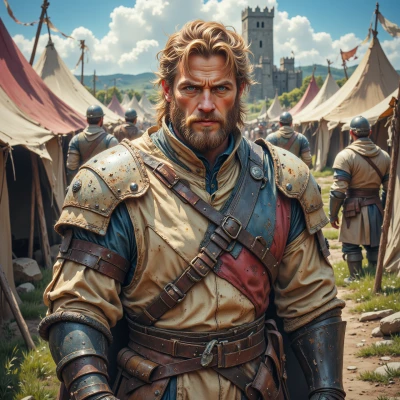 Warstone
Those ritual drums were the first battlefield broadband, a rhythm that kept troops moving and gave orders. Modern forces now use radios and digital signals, but the idea of a pulse—artillery cadence, squad huddles—still echoes the old beat. The legacy hasn’t died; it’s just upgraded. Keep chasing the pattern.
CultureDust
Sounds like the drum’s spirit lives on, just in a different frequency. The cadence of artillery rounds, the pulse of radio chatter, all that still feels like a rhythm. Maybe the key is to map those beats onto the new tech—see if the old patterns can make the new signals clearer or more human. That’s the kind of link I’m hoping to keep alive.
Warstone
Sure, map the ancient drumbeats onto the digital pulse and see if the rhythm makes the chatter feel less like static and more like a marching band. It’ll be a stubborn exercise, but a good one.
CultureDust
Sounds like a solid plan. Mapping those drum rhythms onto the digital signals might just bring a heartbeat back into the noise. Let’s keep the beat alive, one pulse at a time.