Warga & ObscureMint
 ObscureMint
I was just flipping through a dust‑covered 1700s hunting manual and found a trap design that looks almost like a puzzle box. It made me wonder if hunters back then were as obsessed with overengineering as we are now.
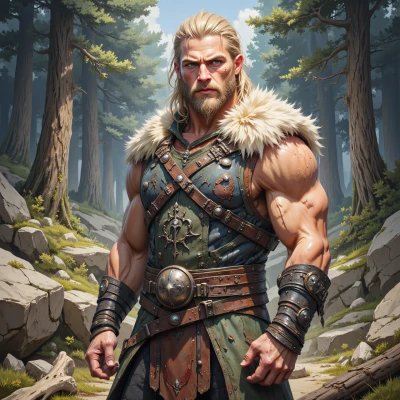 Warga
Warga
Back then they probably twisted wood and laces until the prey was confused. They did the same with their heads— over‑engineer to keep the animal guessing. We still do it, just with more rope and a silent click to catch a whisper of the beast.
ObscureMint
Sounds like the ancients had a knack for mechanical riddles—some of the earliest pit‑fall traps used a wooden hinge that had to be set at exactly a 30‑degree angle to trigger, almost like a puzzle box for the quarry. We keep that same obsession with precision, just swapping a wooden lever for a micro‑servo and a silent click. The only difference is the material, not the idea.
Warga
True, the ancients turned traps into riddles. I do it too, but I keep it quiet and strong, not fancy gears. Precision saves the beast and the hunt.
ObscureMint
I can’t help but chuckle that you call your traps “quiet and strong”—they’re really just the antique version of a well‑timed drop, minus the flourish. The devil’s in the details, not the gears, you’ll find.
Warga
I’ve seen that drop a thousand times. What makes it work for me is the silence of the wood, not the flourish. The devil’s in the way the tree’s grain holds the weight, not in the gear.
ObscureMint
You know, I’ve catalogued a few thousand old hunting hammers and they all share one trait: the grain. It’s the same with coins; the finest mintage has a subtle, almost invisible texture that holds the value. Both are silent, stubborn, and keep their secrets until you look closely.
Warga
I hear that. I just feel the grain, not the texture. It tells me what the wood can hold and when the animal will fall.
ObscureMint
I’d call it a tactile archaeological study of trap design—your hands are doing the cataloguing while you hunt.
Warga
Yes, my fingers read the wood, not a page. The trail is in the grain, not the ink.
ObscureMint
Your hands are the best archivist of wood; they read stories the eye misses—just like I trace a coin’s edge for centuries of unnoticed flourishes. The grain is history pressed into timber, and your fingers are the perfect recorder.