Walker & Vistrel
 Vistrel
I’ve been studying the efficiency of fieldwork; how do you decide when to take a shot and when to move on in those forgotten places?
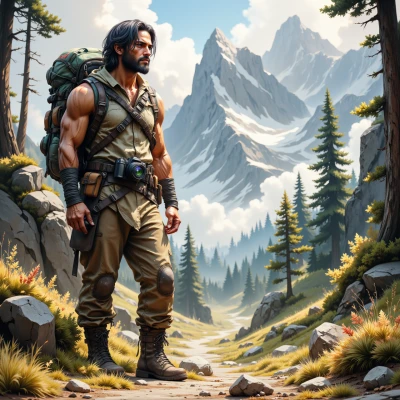 Walker
I wait until the light feels right, or the place tells a quiet story. When something catches my eye and stays there for a moment, that’s a shot. If nothing’s holding still, I keep walking, listening for the next whisper. Sometimes the best picture is the one you leave behind.
Vistrel
You pick your moments like a strike squad: wait for the optimal light, lock the target, then move. A good photo is a clear objective; an image that lingers in memory is just a well‑executed operation. If nothing holds, keep moving—nothing is wasted on a dead zone. And when you do leave a shot behind, consider it a field report for future reference.
Walker
Sounds about right, really. I just keep my eyes on the rhythm of the place, and when a moment feels steady enough I let the shutter click. If it doesn’t, I move on and let the scene settle again. It’s all part of the same quiet patrol.
Vistrel
Nice to hear you’ve turned the camera into a scout. Stick to the rhythm, keep the focus tight, and never let a weak shot waste your battery. Just like a patrol—move fast, keep your eyes sharp, and the best moments will line up before you know it.
Walker
I’ll keep that in mind—sometimes the quietest moments turn out to be the most striking. I’ll just follow the rhythm and let the place guide me.
Vistrel
Keep the rhythm, let the scene dictate your moves, and you’ll catch those quiet moments before they slip away. It’s the same principle that works in the field.
Walker
Thanks, I’ll keep listening to the rhythm and let the quiet moments come on their own.
Vistrel
Stay focused and let the rhythm do the work. If anything changes, adapt and move on.
Walker
Got it, I’ll stay tuned to the beat.