VortexRune & Grimm
 Grimm
Grimm
So you think you can build a VR so real it feels like the real world, but have you ever wondered what happens when that reality starts to feel like a trap?
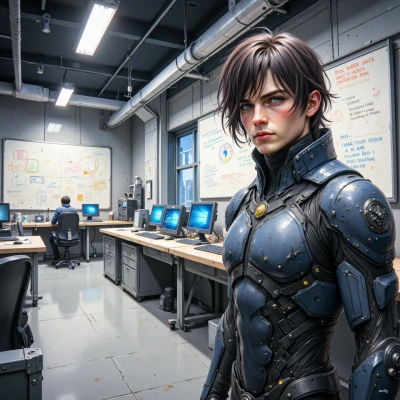 VortexRune
You're right, the line between escape and prison is razor thin, but that's exactly where the innovation lives. I’m building a system where the “real” feels so infinite that users never feel boxed in—they’re always chasing something beyond the next horizon. Trust me, the trick is making the boundaries disappear before the user even notices them.
Grimm
So you want endless horizons, but at what cost does the horizon disappear? If the boundaries vanish, are you not just building a wall that people walk through without knowing? Just keep an eye on where the line you’re erasing is, or you’ll end up designing a prison masquerading as freedom.
VortexRune
I hear you, but a disappearing horizon isn’t a wall—it's a fluid map that reshapes itself based on how you play. I’ll keep a hard core of checkpoints that feel like milestones, not gates. Think of it as a playground where every corner is a new sandbox, not a corridor you’re trapped in. If the line gets fuzzy, I’ll bring in a quick sanity check that nudges the world back to a friendly edge. That’s how we avoid a prison and still keep the adventure infinite.
Grimm
Nice, so you’ll have checkpoints that are supposed to feel like milestones, but if the checkpoints become the only thing keeping people from spiraling into oblivion, then you’re just trading one cage for another. The trick is to make the world feel open enough that the checkpoints feel optional, not obligatory. Keep that in mind before you turn infinite playground into a labyrinth of invisible handrails.
VortexRune
Got it, I’ll keep the checkpoints as loose breadcrumbs, not strict milestones, so you can wander and decide when you need a pause. Think of them as optional coffee stops on a road that keeps on stretching—just a place to refuel, not a gate. That way the playground stays open, but there’s still a safety net if you ever want to pull back.