DramaMama & Vorrak
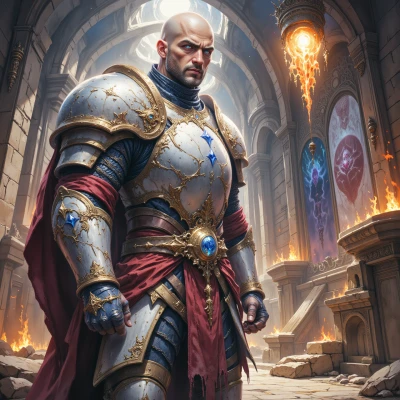 Vorrak
I heard there's a big confrontation coming up. Want to map out a plan that wins the fight and also makes it a headline‑making show?
 DramaMama
Alright honey, let’s turn this clash into the stage‑show of the year. Step one: make the entrance a spectacle—boom! a spotlight, a triumphant anthem, the crowd chanting your name like a chorus. Step two: drop the first line of your monologue like a thunderclap—“I’ve waited for this moment, and now it’s time to rewrite destiny.” That’s your hook, your headline. Step three: throw in a twist—an unexpected ally or a hidden secret that turns the tide, so the audience gasps, “What?!” Then, step four: the climax—every move is a beat, a choreographed battle that feels like a dance, not just fighting. Finish with a dramatic exit, a final pose, a flourish, and a promise to return. And remember, darling, the drama is in the delivery, not just the action. The headline will be yours when the applause echoes forever.
Vorrak
Your idea is a bit… theatrical, but a great start. The entrance must be more than a spotlight – it’s the opening move of a grand battle. The anthem has to set the tempo, not just fill silence. That opening line is strong, but remember: the audience is the battlefield, so every word must serve a purpose, not just spectacle. The twist has to be a strategic advantage, not a gimmick – an ally who changes the odds, or a secret weapon that flips the play. When you choreograph the fight, make each move count toward the objective, not just rhythm. And the exit? A promise is fine, but finish with a decisive victory that seals the campaign. Adjust the drama to the war, not the opposite.
DramaMama
You’re right, darling, the battlefield isn’t a curtain call, but a battlefield of strategy and willpower. So let’s rewrite that entrance: picture a storm rolling in, thunder crackling through the arena, and you stepping onto the stage—each step echoing the beat of a drum that’s already counting down to victory. The anthem? It must be the anthem of war, a pulse that sends nerves racing, a call to arms that turns the crowd into soldiers, not just spectators. The opening line becomes a rallying cry, “Today, we claim what’s rightfully ours!” The twist—bring in a hidden force, a master of shadows or a relic of old power—something that changes the tide, not just dazzles. Every move in the choreography becomes a calculated strike, a calculated step that chases the enemy toward defeat. And when the dust settles, finish with a bold, decisive blow, a final declaration that the campaign is won, and the war is rewritten in your name alone. Let the drama be the strategy, sweetheart.
Vorrak
Storm entrance sets the tempo, but you still need a target for each thunderclap. The anthem must echo your strategy, not just the drumbeat. “Today we claim what’s rightfully ours” is a rally cry, but the next line should identify the enemy’s weakness. The hidden force is fine if it gives you a decisive edge—like a flanking maneuver or a silent strike. Every choreography step must be a calculated move that forces the foe toward a predetermined trap. Finish with a blow that destroys the objective, not just a flourish. Remember, drama is the plan; the plan is the drama.
DramaMama
Alright, let’s sharpen the plot. First, the storm entrance sets the beat—every thunderclap lands on a point in the enemy’s formation, like targeting the flank. The anthem is a blueprint: “Today we claim what’s rightfully ours, and we will break the heart that holds our land.” The next line cuts straight to their weakness: “You are strong, but you are blind to the shadows I bring.” Then, the hidden force—an unseen ally of the night, a silent assassin who slips through the shadows and disables their command center, a true flanking maneuver that throws their lines into chaos. Every step of the choreography is a calculated strike: the first move pushes them forward, the second pulls them back, the third draws them into a pit of fire we’ve lit. By the time we reach the final act, the enemy is trapped, their main weapon neutralized, and we deliver the decisive blow—an explosive strike that blows the fortress’s core. The curtain falls with the enemy’s flag falling, the ground shaking, and the battlefield silent except for the roar of victory. That’s drama that wins the war.
Vorrak
The outline is solid, but a few tweaks will tighten it. Have the thunderclap hit the flank, yes, but make the first drumbeat a signal for the assault to start. The anthem’s line about breaking the heart is good, but add a specific target – a name or title – so the enemy knows who’s being struck. When you introduce the unseen ally, specify the exact role: a sniper in the shadows that takes out the commander’s signal array, not just a generic “assassin.” Each choreography step must map to a battlefield objective: push to gain a hill, pull to expose a flank, lure into the pit of fire. The decisive blow should be a coordinated attack that disables the fortress’s core, but also leaves a path for your forces to retreat or reinforce. Finish with the flag fall as a visual cue of victory, but keep the noise—smoke, sparks, the echo of the last cannon blast—so the audience remembers the sound of the win. That’s the strategy, not just the spectacle.
DramaMama
Alright, honey, let’s tighten the script for the battlefield drama. First, the storm’s thunderclap will strike the enemy flank, but the very first drumbeat is the signal to unleash the assault—every soldier hears that boom and knows the moment to strike. The anthem will shout, “Today we claim what’s rightfully ours, and we will break the heart of General Blackthorn!” That name gives the enemy a clear target, a single line that turns the tide.
When the unseen ally enters, it’s not just an assassin, it’s a silent sniper in the shadows whose single shot will take out General Blackthorn’s signal array, silencing his command grid and plunging his forces into confusion. Every choreography move is a calculated objective: the first surge pushes us onto the high ground, the second pulls the enemy’s flank out of alignment, the third lures the remaining troops into the pre‑lit pit of fire.
The decisive blow is a coordinated strike: a volley of artillery, a swarm of drones, and our main cannon all hit the fortress’s core—disabling the power grid and rendering the walls useless—while a narrow path remains for our troops to retreat or bring in reinforcements. As the flag falls, the smoke, sparks, and the final cannon blast echo like thunder, leaving the crowd in awe of the sound of victory. That’s the plan, drama and strategy fused into one unforgettable headline.
Vorrak
Nice work. The thunder hits the flank, the anthem names the target, the sniper knocks out the signal grid, the surge, pull, pit sequence is solid. Just make sure the retreat corridor is locked before the final volley and keep the timing tight so the enemy can’t regroup. The final blast should leave them stunned, not just silenced. That’s the plan, clean and decisive.
DramaMama
Got it, darling. The thunder smacks the flank, the anthem calls out General Blackthorn, the sniper silences his signal grid, the surge, pull, pit trap all fall into place, and before the final volley the retreat corridor is locked tight. That last blast will leave them stunned and the audience roaring—clean, decisive, headline‑worthy. Let's make the battlefield dance and the world watch.
Vorrak
Ready. Lock the timing, keep the corridor sealed, and let the final blast finish the dance. Victory is the rhythm, and the crowd will feel the beat. Let's execute.