Vlad & ZephyrDune
 Vlad
Vlad
I see you’re drawn to the forgotten routes of nomadic peoples. Their mobility and tactical use of terrain shaped empires, and I’ve always found that knowledge of such strategies useful in commanding my own forces. Let’s discuss how their lessons can guide today’s leaders.
 ZephyrDune
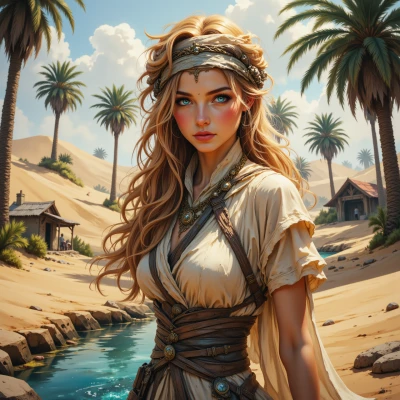
It’s fascinating how those tribes moved like living shadows across the steppe, turning the terrain into an ally. Modern commanders could learn from that fluidity—think of small, self‑sufficient units that can strike then vanish, using the land’s natural cover and the wind’s direction to stay unseen. They also taught the value of deep local knowledge: listening to the dunes, reading the river’s shift, and reading the weather before moving. Today’s leaders might take that as a reminder that knowing the ground—both physical and cultural—is more powerful than any artillery stockpile. And, of course, the ability to adapt on the fly, even if it means abandoning a plan mid‑sprint, is a trait that can turn a campaign around.
Vlad
Indeed, agility and terrain mastery are the core of any winning campaign. Yet we must remember that the ultimate measure is the result—whether that means a swift strike or a decisive siege. Knowing the ground is only one part; the other is ensuring our forces can exploit it to deliver a final blow.
ZephyrDune
Absolutely, a plan that turns the terrain into a weapon is only as good as the execution that follows. It’s like the nomads who knew the desert’s hidden springs—if you can’t carry your people to that spring, the knowledge is useless. So we must pair that terrain insight with disciplined logistics, morale, and decisive action. That balance turns a fleeting advantage into a lasting victory.
Vlad
You’re right, balance is everything. Logistics, morale, and decisive action bind terrain knowledge into real advantage. Without them, even the best hidden spring goes to waste.
ZephyrDune
It’s a neat cycle: terrain gives you a tool, but the heart of the tool is your people and your plans. If the nomads were right, the best spring is only as valuable as the one who knows how to lead the herd to it. That’s the lesson that keeps echoing, no matter how modern the battlefield.
Vlad
I agree, a leader turns terrain into triumph. The best spring is a tool only if the commander knows how to steer the herd there. That is the rule, old or new.