Vlad & Svinogradnik
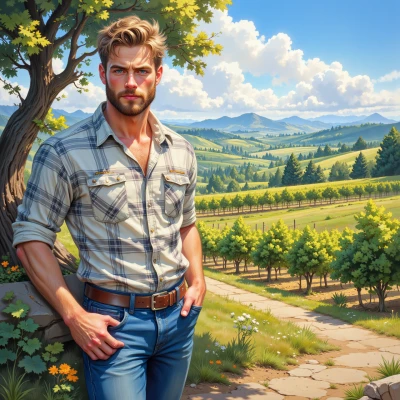 Svinogradnik
The vines are like a quiet battlefield, Vlad. They need a strategy as precise as any campaign—timing the sowing, the pruning, the water—each move can make or break the harvest. How do you keep your forces disciplined when the land itself is so unpredictable?
 Vlad
Vlad
Treat the land as a field of battle, not a sanctuary. Set strict routines, check‑points, and penalties that fire the will of every man. Those who falter are pulled back and corrected—no one learns unless the discipline is absolute. In that way, even the wildest terrain obeys the commander who moves with precision.
Svinogradnik
That regiment might work on a battlefield, but a vine doesn’t follow orders like men do. It grows to the rhythm of sun, soil, and wind. Harsh penalties could just snap a leaf or two. I prefer a steady hand—check‑points that listen to the vines, not just punish them. Discipline is good, but it must be rooted in the same patience that the earth demands.
Vlad
You’re right—plants are not soldiers, they’re the battlefield itself. I still insist on checkpoints, but I make them observatory. I monitor the vines, record the light, the moisture, the wind, and adjust the pruning and watering in real time. The discipline comes from consistency, not punishment. In that way the vines learn to thrive in their own rhythm while the harvest remains predictable.
Svinogradnik
Sounds like a good compromise, Vlad. Observing the vines instead of barking orders keeps them from becoming brittle. Just remember—too much data can still fool a farmer. Keep the old tricks handy, the soil’s memory is still a trusted ally.
Vlad
Data is a tool, not a master; trust the soil’s memory and keep your instincts sharp, the way a commander trusts his scouts.
Svinogradnik
You’re right, data’s a good map but it never replaces the feel of a well‑tended plot. Keep the charts, but let the soil’s whisper steer the final cut. That’s the only way to keep the vines fighting for their own life.
Vlad
Indeed, data guides but does not dictate. Let the soil speak, then act with precision. The vines will respond, the harvest will follow.
Svinogradnik
Sounds like a plan, Vlad. Let the earth speak, and you’ll hear the grapes answer. Just remember, even a stubborn vine can surprise you if you keep your ear to the soil.