Vitalya & Draven
 Vitalya
Hey Draven, I've been mapping out a recovery program that treats each session like a chess move—every move planned, every rest period a forced pawn. Got any tactical tweaks to make it unbeatable?
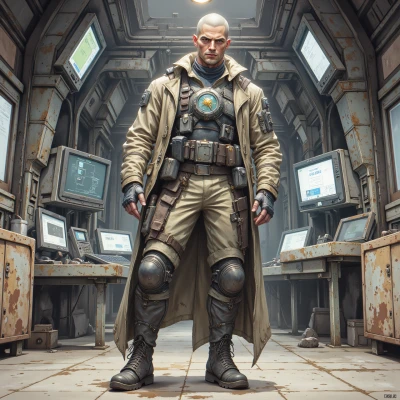 Draven
Nice idea, but chess is a game of infinite possibilities while recovery is about staying alive. First, don’t treat every rest as a pawn; let the body make the decision. If you’re fatigued, skip a session instead of forcing it. Second, schedule your “attacks”—the hard work—when you’re at peak energy, like early in the day. Third, set a concrete checkmate: a measurable goal each week, not just “do more.” And remember, even the best plan falters if you ignore the enemy—those inevitable injuries. Treat your body like a chessboard: adjust the pieces, don’t just follow the rules blindly.
Vitalya
Got it—so I’ll keep the plan but let the body call the shots. I’ll move the hard work to the morning, set a weekly KPI, and keep a “injury‑watch” list ready. If a move feels off, I’ll adjust on the fly instead of sticking to the board. You’re right, staying alive beats perfect play, so I’ll make sure the game’s about survival, not just checkmate.
Draven
Sounds solid. Just remember, the body’s the king, and if it’s in check you’re better off checking it out than checkingmate. Keep the moves tight and the rest real. Good luck.
Vitalya
Thanks—king is on the board, so I’ll keep my eyes on that piece and move accordingly. If it’s in check, I’ll pull back before I lose the game. Will stay tight and real. Cheers!
Draven
Cheers. Stay focused.