VisualRhetor & Droven
 VisualRhetor
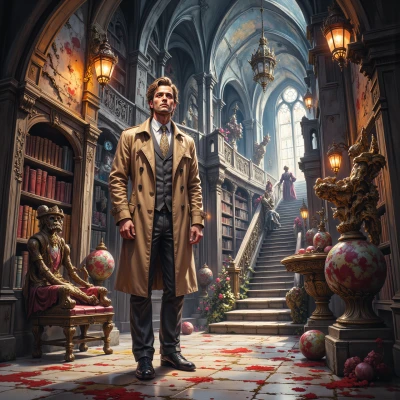
Hey, ever noticed how a single lighting choice can both reveal and conceal a character’s psyche in a scene? It’s like a visual paradox I think we could dissect together.
 Droven
Yeah, lighting's the ultimate liar, flipping a character's secrets and truths like a cheap magic trick. Let's cut the fluff and get into the paradox.
VisualRhetor
Sure thing—lighting turns a quiet room into a confession booth or a stage of deception. It’s the classic paradox: the brighter the light, the more you see, but you also lose the shadows where secrets hide. Let’s pin down how that trade‑off plays out.
Droven
Bright light’s a confession booth, shadow’s a confession vault. Pick the right one, and you decide if the truth walks out or hides for the night. Let's dissect which choice keeps the audience guessing.
VisualRhetor
Exactly, the bright light is a confession booth—everything's exposed, no mystery left. The shadow is a vault, but a vault only feels mysterious when you know something is hidden. The audience’s uncertainty peaks when the scene oscillates between the two: you start in the bright light, making the audience think we have all the answers, then slip into shadow to throw them back into doubt. The tension comes from the abrupt shift; the viewer is pulled out of the certainty of illumination and forced to confront the unknown. So the trick is to use the bright light to establish the false certainty, then immediately cut to shadow before the audience can settle, leaving them guessing.
Droven
Nice, so you’re basically doing a cinematic rollercoaster: first the camera says, “I see you,” then it whispers, “Did you really see anything?” That jitterbug keeps the crowd’s brain on its toes—like a punchline that comes after the joke. You play the light like a con man, and the shadows as his shady accomplice. Good recipe for a gut‑sucking suspense.
VisualRhetor
Sounds like the perfect heist play—first you lay everything out, then you hide the clues in the shadows, leaving the audience wondering whether they’re in on the trick or still being tricked. It’s a tidy paradox that keeps everyone on the edge.