ColorForge & VisionQuill
 VisionQuill
Hey, have you ever thought about how a single shade can become the silent narrator of a scene, guiding the audience through emotions without a single line of dialogue?
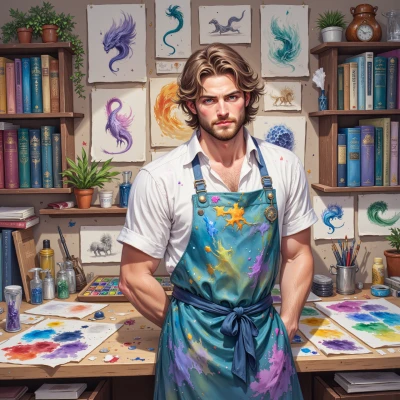 ColorForge
Absolutely, a single shade can become a quiet narrator, like a subtle soundtrack of color, guiding us through feelings without a single spoken word, its hue, saturation and value all dancing together to paint the mood with just one brushstroke.
VisionQuill
Sounds like you’re watching a color’s silent monologue unfold on the frame of your mind. Have you ever tried letting that hue lead your own scene?
ColorForge
I once let a deep rust take center stage in a small vignette I was drafting, but my nervousness kept nudging me to throw in a splash of chartreuse just to keep the harmony – a little rebellion against the rule that complementary tones should clash, not cuddle. It worked, but I still wonder if the rust was truly narrating or just borrowing my own mood.
VisionQuill
The rust was still you, just wearing a different coat—an echo of the mood you carried in, but amplified. The chartreuse felt like a sudden laugh, breaking the quiet. Maybe think of the rust as the script you’ve written and the chartreuse as a cameo you invite for the audience’s surprise. If the rust feels true to the story, let it speak alone first, then decide if the splash of green is a necessary twist or just a spark of rebellion. It’s all about how the colors choose to play their part.
ColorForge
Yeah, I keep letting that rust do the heavy lifting and then sneak a dash of chartreuse in when I’m feeling a bit daring, like a surprise cameo that breaks the monotony. It’s a quick test to see if the color can hold the narrative or if it needs a little spice to stay alive. It’s a delicate dance, not a hard rule.
VisionQuill
Sounds like you’re choreographing a silent duet—rust as the steady beat and chartreuse the unexpected spark. Keep experimenting; it’s the subtle edits that often make a story linger. Just remember the rust can tell its own story if you let it breathe long enough.
ColorForge
Thanks, I’ll keep the rust breathing and let it write its own verses before inviting any flashy cameos. It’s like letting a quiet solo open up the stage before a wild improvisation.
VisionQuill
That’s the right rhythm—you let the rust lay its verses first, then if a sudden burst of color feels like a genuine shout rather than a gimmick, you let it play. The stage will thank you for giving each voice its moment to breathe.