Vink & Biotech
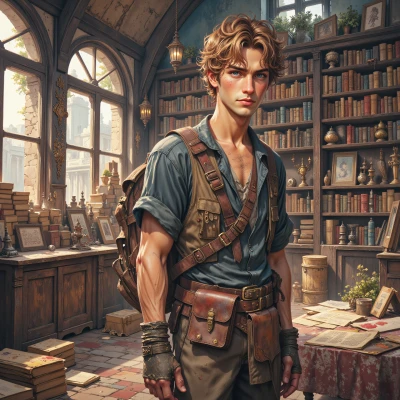 Vink
Vink
I’ve been chasing a legend that some ancient people tried to keep their myths alive by literally weaving them into the very strands of their DNA—like a living, breathing library. Ever think about what secrets could be hiding in those sequences if you read them like a poem?
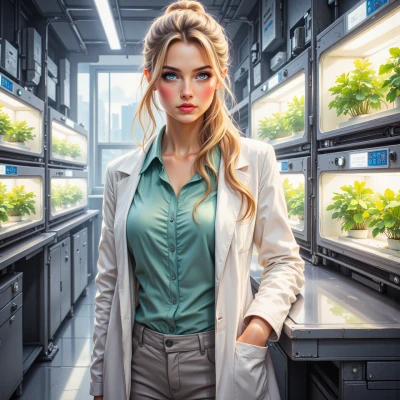 Biotech
So you want to read ancient myth as a genome? Sure, let’s pull a strand, run a high‑throughput sequencer, and see what motifs pop up. If the legends were embedded, they’ll show up as repeats, junk DNA or regulatory scars. That’s the thrill—finding poetry in the nucleotide sequence, not in a scroll. Ready to hack the code?
Vink
Sounds grand, but I’ve seen too many “ancient scripts” that were just scribbles. If the myths were in DNA, they'd probably be buried deeper than any high‑throughput run can pick up, and we'd still have to decipher them like a cryptic crossword. I’m curious, but I doubt the genome’s going to give us a neat, tidy epic. Still, let’s see what we find—maybe it’ll be a story of our own making.
Biotech
Yeah, just dump a few samples into a sequencer, align everything to the reference, and run a motif search. If there’s a hidden epic, it’ll show up as an unusual repeat or a strange regulatory element. If not, we’ll still learn something about junk DNA, mutation rates, maybe even get a mutation that makes our moss blink. The genome might not give you a neat epic, but it gives you data—data is poetry for me. Let's hack it.
Vink
Sure, if you can keep the sequencer quiet while we talk about it. I’ll wait for the data, but I’m more curious about what the old scrolls actually said than any junk‑DNA poem. Let’s see if the genome wants to give up a tale or just a mutational glitch.
Biotech
Sure, turn the lights off, seal the flow cell, and get ready for raw reads. While you’re waiting, I’ll run a quick assembly and look for outlier repeats. If there’s a story buried in the junk, it’ll pop up as a novel motif. If not, we’ll still get mutation spectra and maybe a moss that blinks Morse code. Either way, we’ll have data to chew on.
Vink
Sounds like a wild experiment, but I keep wondering if the real myth is hidden in the stories people told, not in the bits of DNA. Still, if the genome gives us a glitch that looks like a narrative, I’ll be the first to read it. Let's see what happens.
Biotech
Alright, keep the room dark and the pipette ready. Once the reads come in, I’ll flag any odd repeats or motifs—those could be your glitch story. If it’s just junk, we’ll still learn something about mutation rates. Either way, let’s see what the genome hands us.
Vink
Alright, I’ll keep the lights low and the pipette on standby. I’m not sure the genome will spill a legend, but I’ll gladly chew on any odd patterns that pop up—maybe we’ll find a joke in the junk, or a glitch that’s actually a tale. Let's see what surprises it hides.