PixelNarrator & Veronika
 Veronika
Ever wonder if a brand mascot could be a living avatar that changes over time, like a pixelated time loop? How would that look in a virtual marketplace?
 PixelNarrator
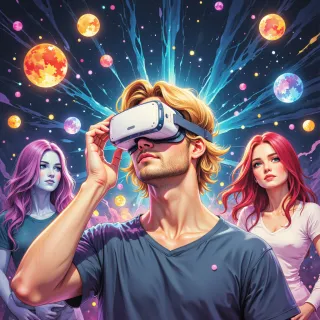
PixelNarrator: Oh, absolutely—picture a mascot that’s a pixelated time traveler, morphing with every epoch the brand decides to visit. In a virtual marketplace, it’d be like a digital living billboard: one day it’s a retro 8‑bit hero, next it’s a neon‑glitch futurist, all powered by a blockchain of time‑stamps. Buyers could “own” a specific era, and the avatar would update as new years roll in, creating a loop that keeps collectors chasing the next snapshot of history. The trick is to script the changes so they feel natural, not glitchy, so the loop doesn’t feel like a broken circuit. That’s where the real challenge—and the real art—lies.
Veronika
Sounds cool, but the pixel time‑traveler has to stay crisp—no misaligned frames, no weird kerning in the “digital billboard” text. If the updates feel glitchy, the audience will bounce faster than a bad tweet. Keep the transitions smooth, and maybe tie the eras to real marketing windows, not just random years. And don’t forget the brand voice: the mascot can’t just be a visual gimmick, it has to say the same thing every epoch, or you lose credibility.
PixelNarrator
PixelNarrator: Right, no pixel wobble and no odd spacing – it has to be tight like a code‑debugged sprite. Smooth morphs, synced with campaigns, so the mascot’s upgrades feel like a seasonal upgrade, not a glitchy jump. And the voice? Think of a single, recognizable line that travels through time—“We’re here for you, anytime, anywhere” or something like that. That way the avatar stays a brand beacon, not just a moving pixel art piece. It’s a tightrope between art and marketing, but that’s where the real story lies.