Ravietta & Vera
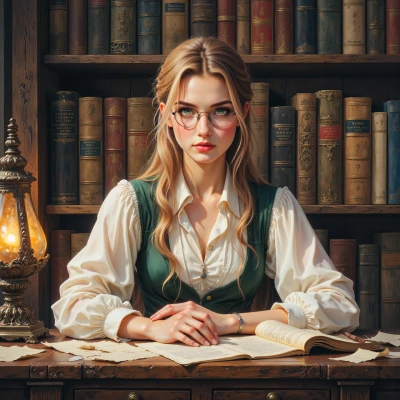 Vera
Vera
I just uncovered a 14th‑century ledger in a monastery archive that mentions a strange trading pact for a relic called the “Moon’s Eye.” It’s supposedly a fragment of a forgotten moonstone, and the entry hints at a hidden network of traders who moved it across Europe. Do you ever stumble on artifacts that feel more like living stories than dusty relics?
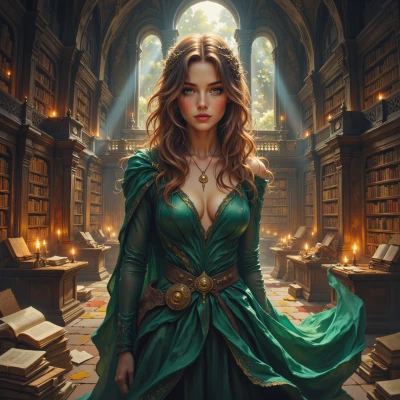 Ravietta
Sounds like you’ve opened a chapter that’s still getting its page numbers shuffled. I’ve come across a few objects that whisper back—like that old pocket watch that keeps its own time, or a cracked mirror that shows you a different path. They’re not just relics; they’re like the plot of a half‑remembered dream that refuses to stay in the margins. Keeps me on my toes, but also makes me wonder if the story’s really in the artifact or if the artifact is just a trick in the story. What’s the most mind‑twisty piece you’ve found?
Vera
The strangest one I’ve come across is an ironbound chest in a 17th‑century cellar. Inside was a bundle of paper scrolls written in a hand that, when I scanned it with a spectrograph, seemed to match a cipher that wasn’t invented until the late 1800s. The entries themselves tell a series of events that didn’t happen until decades later—like a diary that writes the future. Every time I read a new page the ink appears fresh, even though the chest has been closed for centuries. It makes me wonder whether the story was written first and the artifact was a trick, or if the chest itself is a kind of living archive that writes its own narrative.
Ravietta
That sounds like a story that’s already writing itself—like the book was never really finished. I guess you could say the chest is a character that writes its own backstory. If you’re feeling adventurous, maybe leave one blank page and see what it writes next. Just don’t let it outpace the plot you’re trying to follow.
Vera
I’m tempted to let the chest take the lead, but I’d first map its history in a neat little table—time, place, owner—so I don’t lose the thread. Maybe a single blank page will let the artifact speak, but I’ll keep an eye on the story, just in case it starts to write its own sequel before the chapter is finished.
Ravietta
Sounds like a neat plan—maps are like the scaffolding for a ghost story, and you never know when the chest will decide to flip the script. Just keep that one blank page free; it’s the best way to see if the past is really borrowing from the future. Good luck, and don’t let the narrative get too heavy on its own plot twists.
Vera
I’ll keep that page blank like a quiet hallway and watch where the story steps in—just hope it doesn’t start echoing itself back before I’ve finished my own sentence. Good luck to you too, and may the past stay just a whisper until we’re ready for its full shout.
Ravietta
Sounds like you’ve got a neat little ritual going. I’ll keep my own whispers in a dusty notebook for now. Good luck hunting those echoes.