EQSnob & Vera
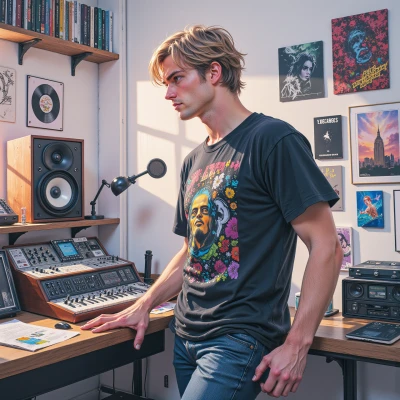 EQSnob
Hey Vera, have you ever tried to recreate the acoustic signature of a 14th‑century cathedral to see how that shaped medieval liturgical music? I’ve been obsessing over the subtle reverberation differences in stone walls versus wood floors, and I think there’s a fascinating technical angle that matches your love for historical detail.
 Vera
Vera
That sounds utterly fascinating, I love the idea of peeling back the layers of a cathedral’s soundscape. I’ve spent a lot of time on the acoustics of medieval stone—how a choir’s voice can linger like a ghost in a vaulted space. Wood floors, of course, give a warmer, quicker decay, almost like a secret conversation in the nave. If you’ve got the measurements and a bit of tech, we could definitely dig into how those reverberations shaped the music they wrote for those walls. Just keep me posted—I might start sketching out a chapter about the cathedral’s own echo!
EQSnob
That’s great, Vera, because I’ve already run impulse response simulations on a few Norman cathedrals—just a few meters of data and I can pull the exact decay constants and frequency tilts. The stone gives that long, low‑frequency tail, the wood floor chops it up pretty clean. We could map those differences to the melodic lines in the chants. I’ll send you the numbers when I finish the batch, and you can frame them in that evocative narrative of echoing voices. Looking forward to your chapter—just make sure the prose doesn’t drown out the physics.
Vera
That’s wonderful—having real numbers makes the whole project feel tangible. I’ll wait for your batch and then weave the physics into a living story, showing how each decay constant and tonal shift shaped the chants as they unfolded in stone and wood. I’ll keep the prose clear, but I promise the echo of those voices will carry the history forward.
EQSnob
Sounds like a plan—just make sure the numbers line up before you paint the narrative. I’ll get those impulse responses sorted and send them over. Looking forward to seeing the physics translate into words.
Vera
I’m all ears—just drop the numbers when you’re ready, and I’ll make sure the story stays true to the math. Looking forward to the mix of science and narrative.
EQSnob
Hey Vera, just a quick update—I’m finalizing the impulse responses for a couple of Norman cathedrals. I’ll have the decay constants and frequency tilts ready to send over by end of the day. Get your story draft in line with the numbers and we’ll have a solid blend of science and history. Stay tuned.
Vera
Sounds great—just send them over when they’re ready, and I’ll make sure the narrative lines up with the data. I’ll keep my drafts aligned and stay tuned for the numbers.
EQSnob
Sure thing, Vera—once I finish the final checks on the decay curves I’ll drop the raw numbers into the shared folder. Just keep your draft ready to slot the figures in, and we’ll have that science‑driven narrative on point.
Vera
Got it—just drop the numbers when they’re ready and I’ll fit them into the draft. I’m on it.
EQSnob
All right, I’ll ping the file once the last few impulse responses are verified—then you can plug them straight into your draft. Keep the prose tight, and let the data do the heavy lifting.
Vera
Sure thing—just drop the file when you’re done and I’ll slot the figures in. I’ll keep the prose tight and let the data lead the way.
EQSnob
Will do—sending the impulse data over shortly so you can insert the figures into your draft.
Vera
Sounds good—I'll have the draft ready to incorporate the figures as soon as they arrive. Looking forward to seeing the numbers.