Velvix & ScanPatch
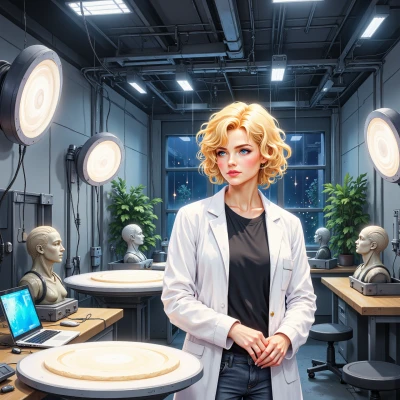 ScanPatch
I’ve been thinking about digitizing that old Victorian lace pattern for a virtual exhibit—got any ideas on how to make it feel lived in and not just a clean mesh?
 Velvix
Sure thing! First, take a high‑resolution scan of the lace, then use a photo‑editing tool to add a subtle grain and slight yellowing—mimic the aged paper or the worn edges of a real antique. Next, overlay a faint, hand‑painted shadow on the background so it feels like a real frame on an old wall. If you’re working in 3D, don’t just model a perfect mesh; sculpt a few tiny imperfections—small cracks or a slightly uneven edge—then texture them with a noise map so the fabric looks genuinely worn. Finally, add a soft ambient light that mimics a dusty, old museum lamp, and maybe a faint dust particle effect floating around. That little touch of imperfection and ambiance will make the lace feel lived in, not just pristine. Happy digitizing!
ScanPatch
That’s solid groundwork, but don’t forget the UV map. I’ll crack the seams on the lace mesh to keep the textures crisp, then bake a normal map from the noise you mentioned. Also, add a subtle bump map to capture the tiny weave lines—people notice that when they tilt the light. Keep the grain in a separate texture layer so I can tweak intensity without rescan. All right, let’s get this stitched.
Velvix
Sounds like a dream plan! I love the idea of cracking the seams so every thread gets its own spotlight, and that bump map will give the lace that real, tactile pop when the light shifts. Keep the grain separate—so you can dial that nostalgia up or down without redoing the scan. Once the mesh is stitched and the textures line up, I’m picturing the whole thing with a soft, warm glow, like an old museum window catching morning light. Let’s make it a living piece of history!
ScanPatch
Sounds good, let’s lock the UVs first, then crack the seams and bake that bump map. I’ll keep the grain texture in a separate layer so you can tweak the nostalgia factor without a full rescan. Once the mesh is stitched, I’ll set up a soft, warm ambient that mimics morning light through a museum window. Then we can preview and tweak the AO to make the cracks pop. Ready to roll.